
Panel layout and final pack
Provide an unfolded drawing, crease sequence, final dimensions and a sample of the required presentation.
Selection decision: Specify the folding arrangement from the complete layout, beyond the panel count alone.
Solution · Outsert systems
Plan the multi-panel outsert as a connected folding, finishing and packing process, with the final thickness and presentation defined first.
Production brief
An outsert is a leaflet folded deep enough — typically eight, twelve or sixteen panels — that it becomes a small booklet in its own right, usually wrapped around or packed with the primary container. The engineering problem is that every additional panel multiplies the error of the panels before it, and the finished outsert must still lie flat enough for automated packaging.
A SPEED outsert line is built as one continuous process: miniature buckle folding on the T490/T520 platform, parallel knife trimming on the SD-X250 where the panel edges must be square, and SD-XP300 press flattening so the finished outsert loses its fold bulge before it reaches the cartoner.
Published configuration references · Ratings depend on the model and configuration; they are not an accepted-output guarantee for a complete line.
01 / Define the job
Start with the printed piece and the production requirement. These details help our team compare equipment and propose the process.
Provide an unfolded drawing, crease sequence, final dimensions and a sample of the required presentation.
Selection decision: Specify the folding arrangement from the complete layout, beyond the panel count alone.
Provide the actual printed paper and a folded sample where available.
Selection decision: Review module limits and assess whether pressing is needed for packing or feeding.
Mark edges to trim or slit and state any adhesive, label or closure requirement.
Selection decision: Define the required modules and interfaces; confirm any closure equipment separately.
Describe infeed, transfer direction, downstream packaging and target accepted output.
Selection decision: Review transfer and speed compatibility across the complete proposed line.
Production requirements and the specification decisions to review for this folding job.
Each fold doubles the register demand of the previous one. High-precision folding fences and slip-free gear transmission keep fold position predictable across a 12- or 16-panel pattern, and the plate set is matched to the pattern instead of being improvised.
A deep-folded outsert behaves like a spring. Without de-bulking it will not sit flat in a carton and will not feed on high-speed packaging equipment — which is exactly what the SD-XP300 pressing machine is for.
When a panel has to be trimmed or slit, doing it as a separate offline pass adds handling and re-registration. The SD-X250 parallel knife unit performs trimming and slitting inline with the fold at 30–90 m/min.
Outsert formats change with every product launch. Buckle plates are repositioned rather than replaced, so a new pattern is a setup job, not a tooling order.
02 / Plan the process
A process reference for the project discussion. The final layout and optional stages are agreed from the job drawing and sample run.
Review the fold drawing and set the plate arrangement for the required finished form.
Confirm the finishing operation and its folded-piece feed envelope.
Assess the folded piece against the agreed thickness and packing requirement.
Agree any closure operation and the interface to packaging as part of the project layout.
T490 or T520 miniature buckle folder with the plate set matched to the panel count; servo feeder with double-sheet detection for batch integrity.
SD-X250 parallel knife unit inline — 160 × 260 mm maximum feed, 15 mm maximum finished thickness, 30–90 m/min, 0.4–0.6 MPa air.
SD-XP300 pressing machine to remove bulge after folding or stitching, so the outsert packs and feeds flat.
Fold-test the actual outsert pattern and paper on the line before sign-off; we return the folded and flattened samples with measurements.
03 / Select the equipment
Compare the linked equipment by its role. Folders and finishing modules are selected for their own operating envelope; every unit is not required for every job.
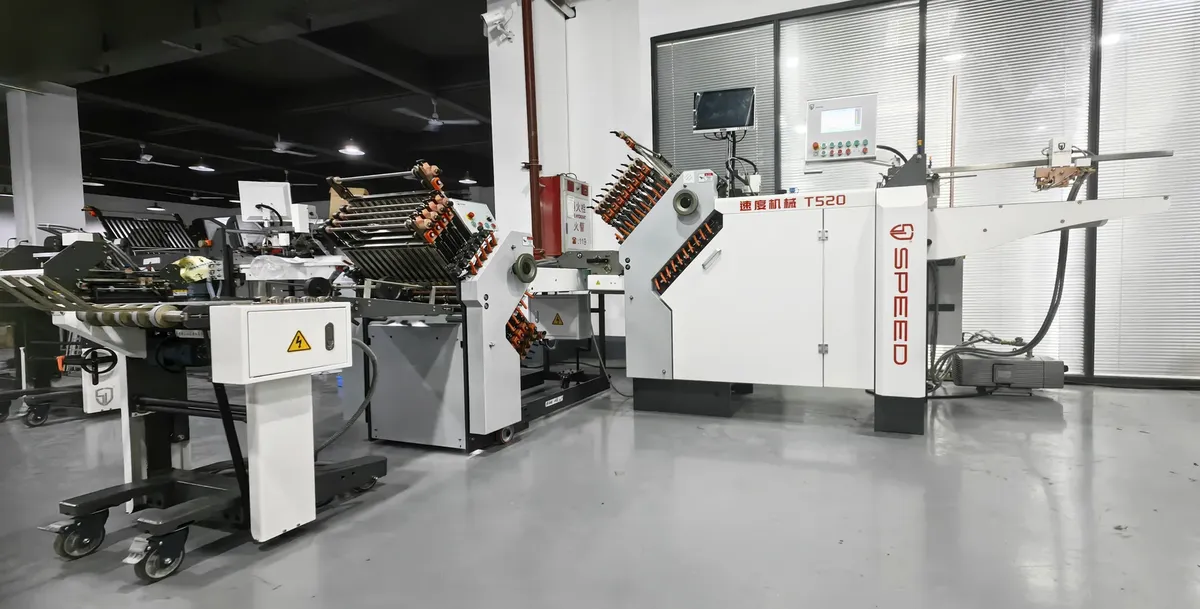
Leaflet folding and line integration
Review the leaflet format and the interfaces to trimming, pressing and delivery equipment.
View specifications →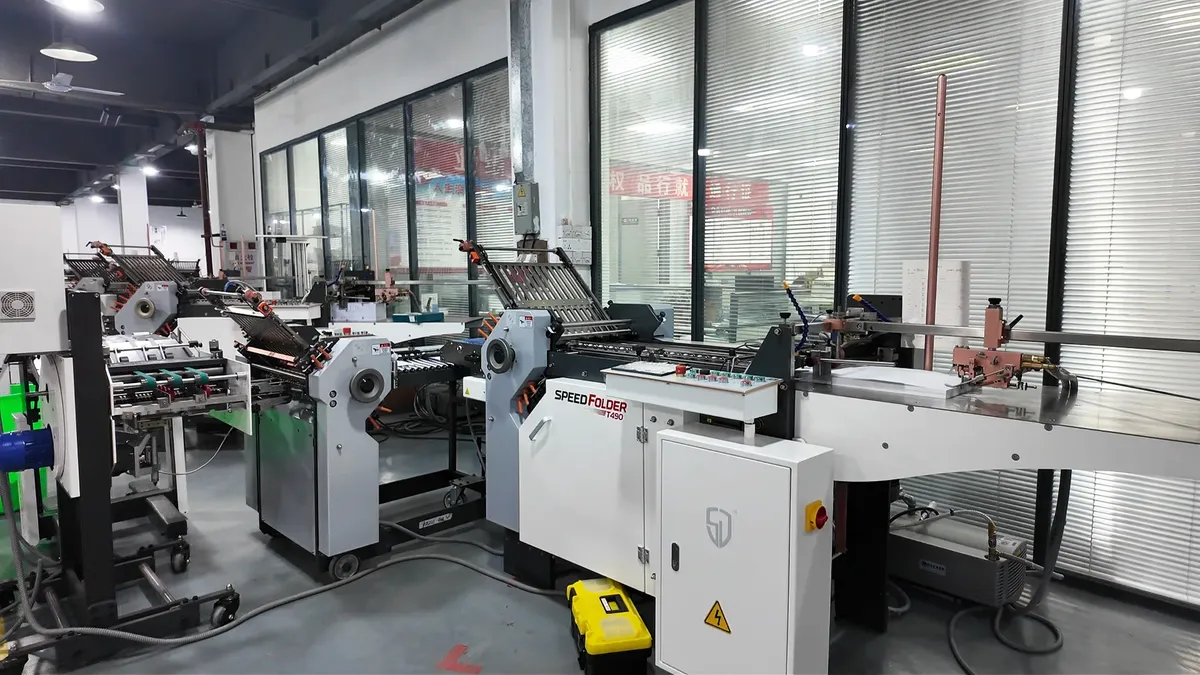
Miniature buckle folding
Review the minimum sheet and finished panel size for small leaflets and inserts.
View specifications →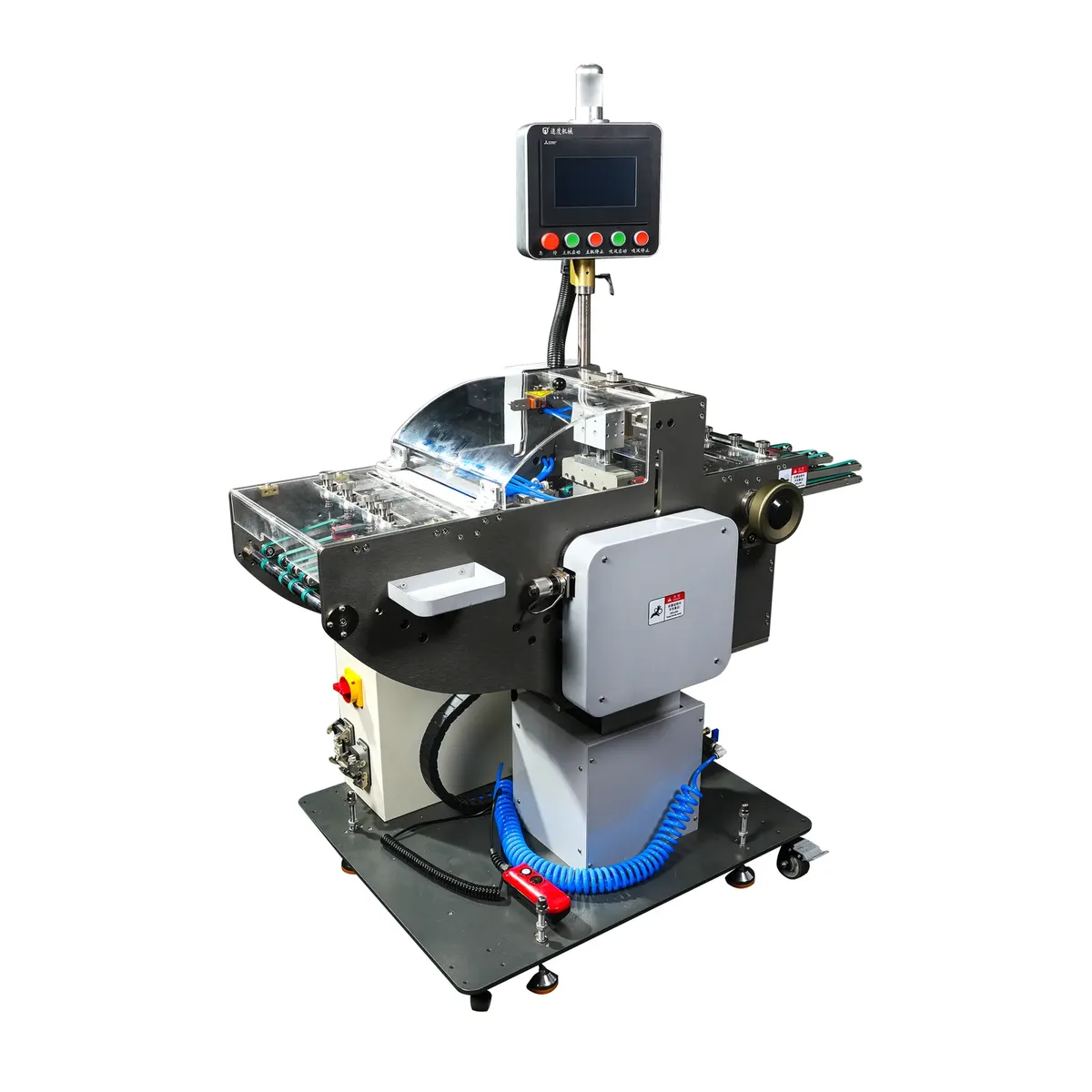
Parallel knife finishing
Use when the job requires the described trimming or slitting operation; confirm feed size and folded thickness.
View specifications →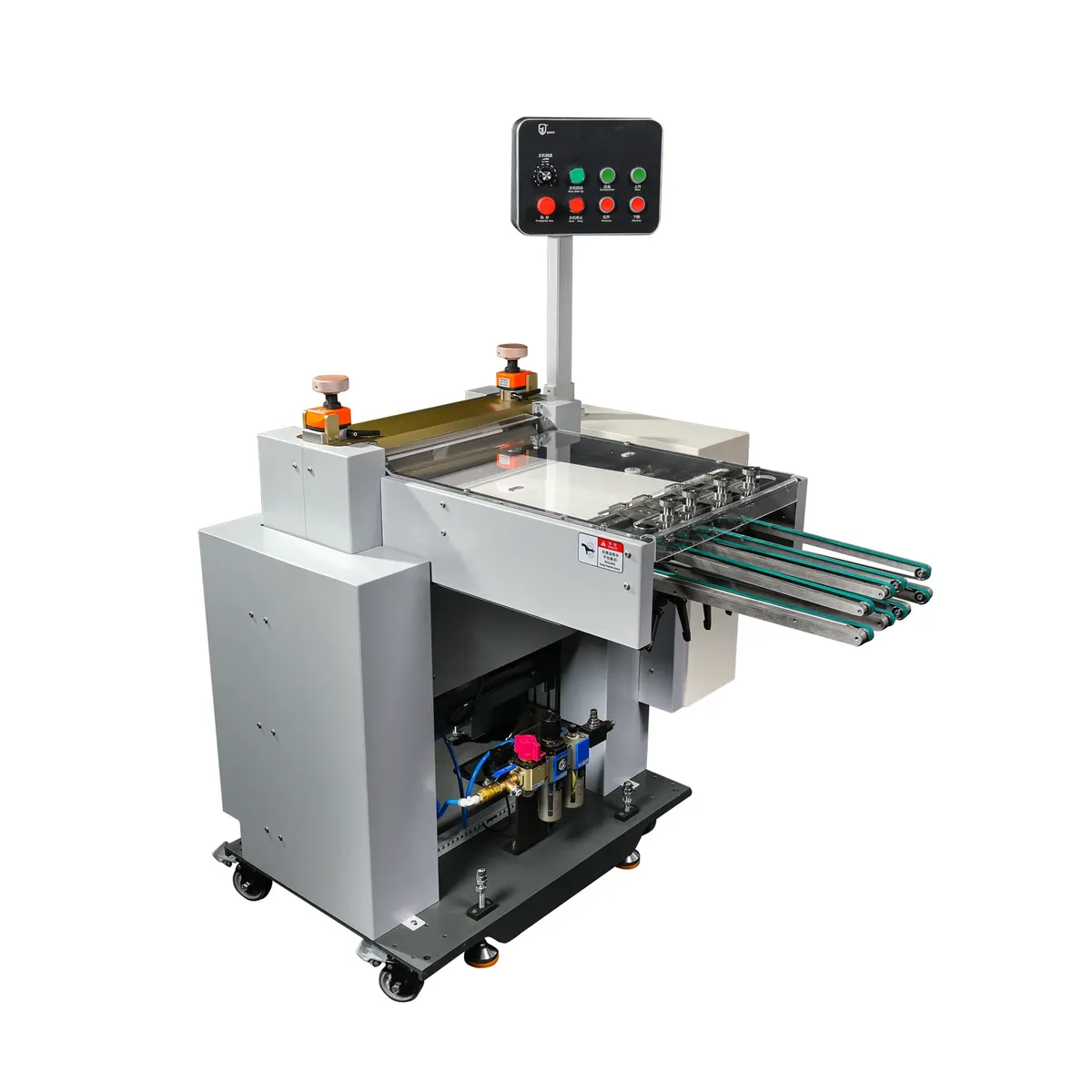
Post-fold pressing
Assess folded stack thickness and the flatness needed for packing or downstream feeding.
View specifications →| Equipment | Sheet / feed / working width | Paper weight / finished thickness | Published speed |
|---|---|---|---|
| T520 | 520 × 1000 mm | 28–200 gsm | 180 m/min |
| T490 | 490 × 1000 mm | 28–200 gsm | 180 m/min |
| SD-X250 | 160 × 260 mm | 15 mm | 30–90 m/min |
| SD-XP300 | 300 mm | 1–20 mm | 1–60 m/min |
Values refer to individual products. Actual line output depends on the stock, fold sequence, optional equipment and delivery arrangement.
Use the diagrams to describe the finished piece. The model references below come from the reviewed product overviews; the ordered plate arrangement and your stock determine the final fold capability.
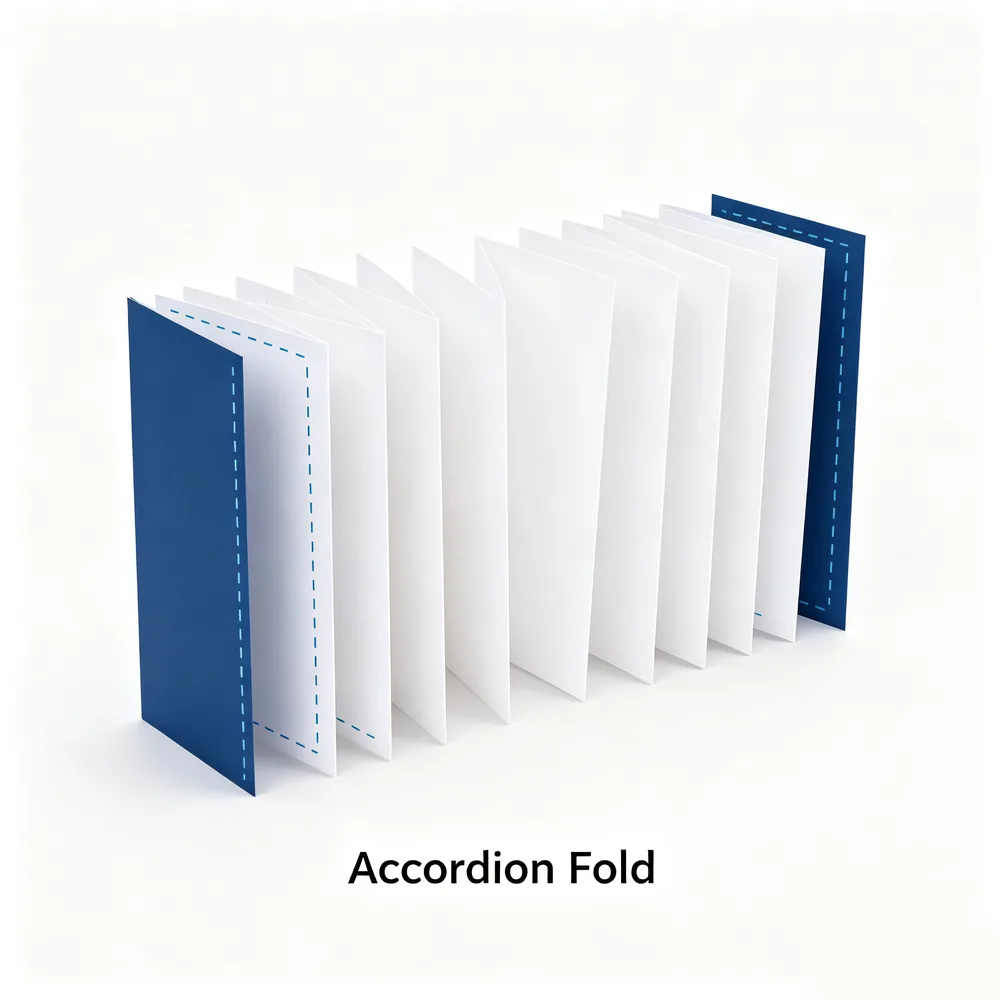
Concertina panels alternating in direction — 风琴折.
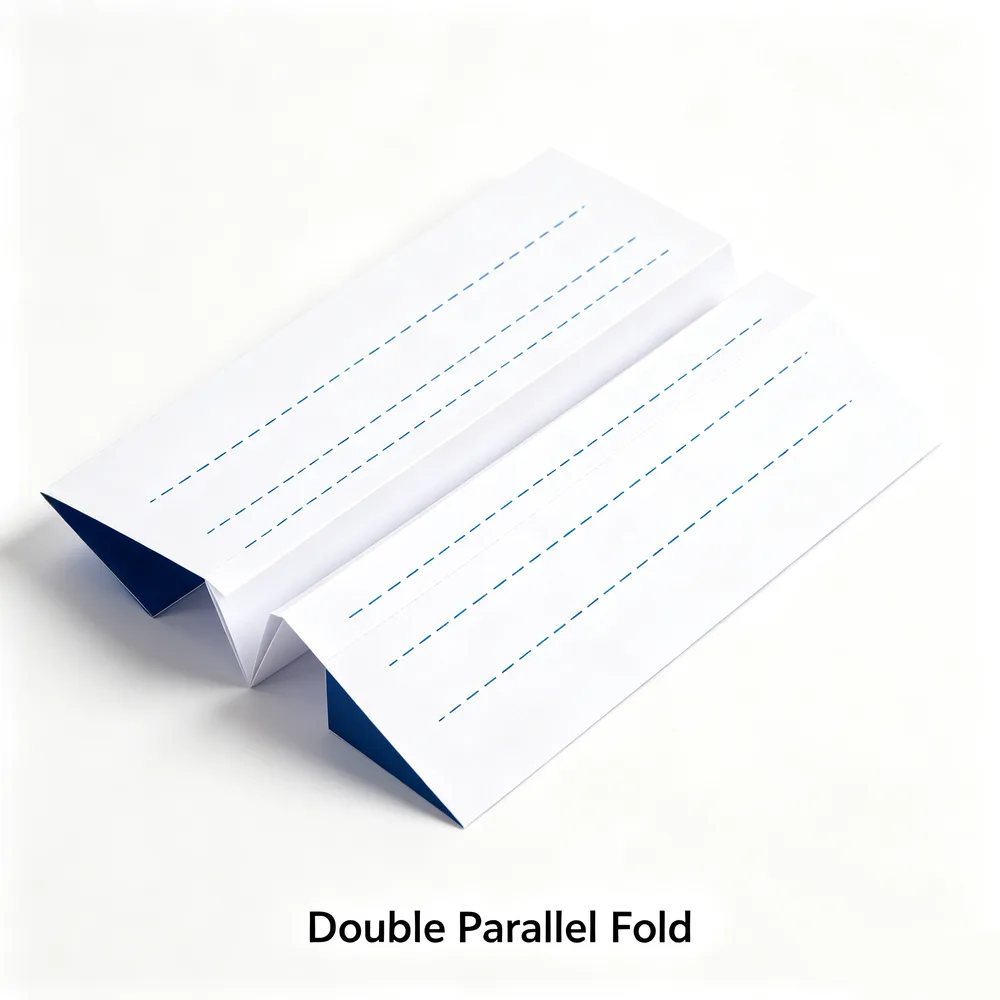
Two folds, four panels, opened in the middle like a book.
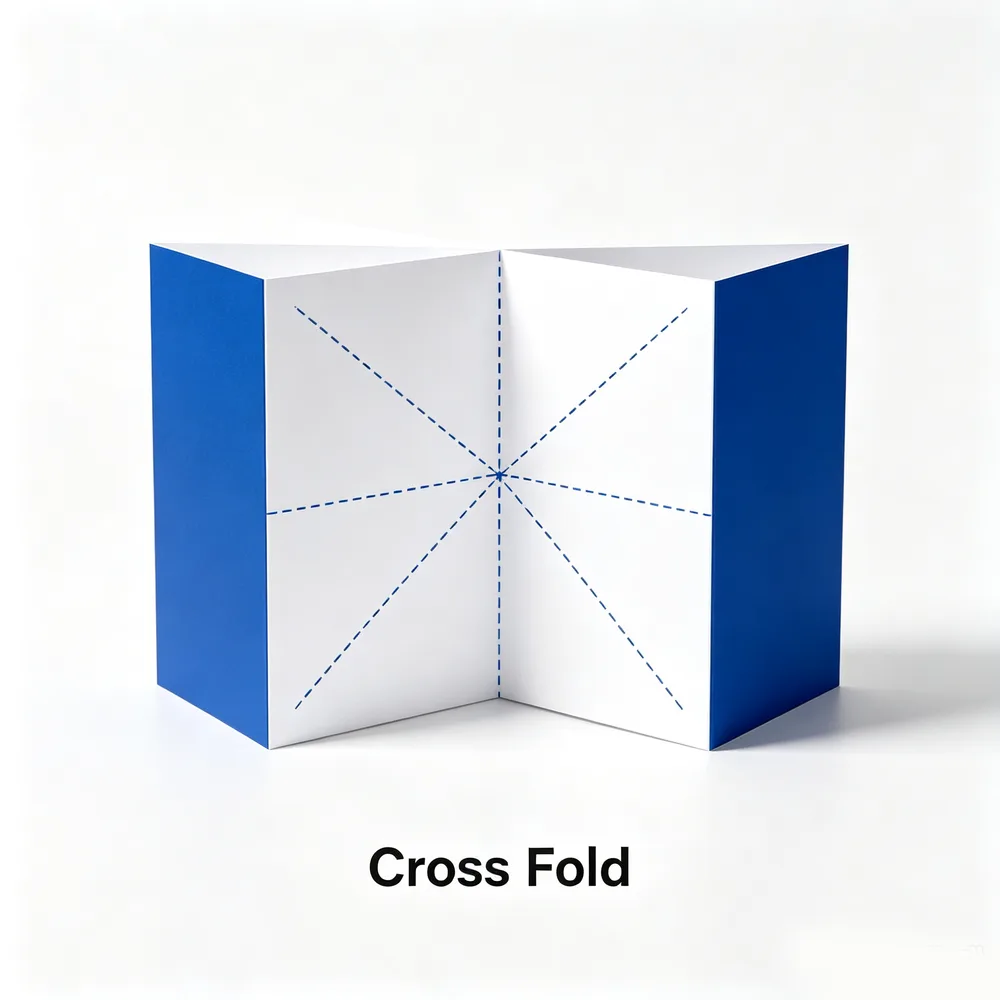
A parallel fold followed by a fold at right angles on the second unit.
View the related feeding, folding or finishing operation in the existing SPEED video library. Confirm the proposed configuration against your own job brief.
Pharmaceutical leaflet and insert folding line
The pharmaceutical folding line as a system: miniature buckle folding, parallel knife trimming and press flattening working as one process.
Watch on YouTube →Pharmaceutical packing line overview
The full pharmaceutical packing line: folder, knife unit, press and downstream handling as delivered to a cartoning operation.
Watch on YouTube →04 / Review the sample
Agree the test stock, drawing, operating conditions and acceptance criteria with our team. The checks below help structure that review.
Measure finished dimensions and check the sequence and alignment of the panels against the approved layout.
Assess thickness and spring-back at an agreed interval after pressing, using the intended printed stock.
Check transfers, finishing quality and downstream handling together, then record accepted output and stops.
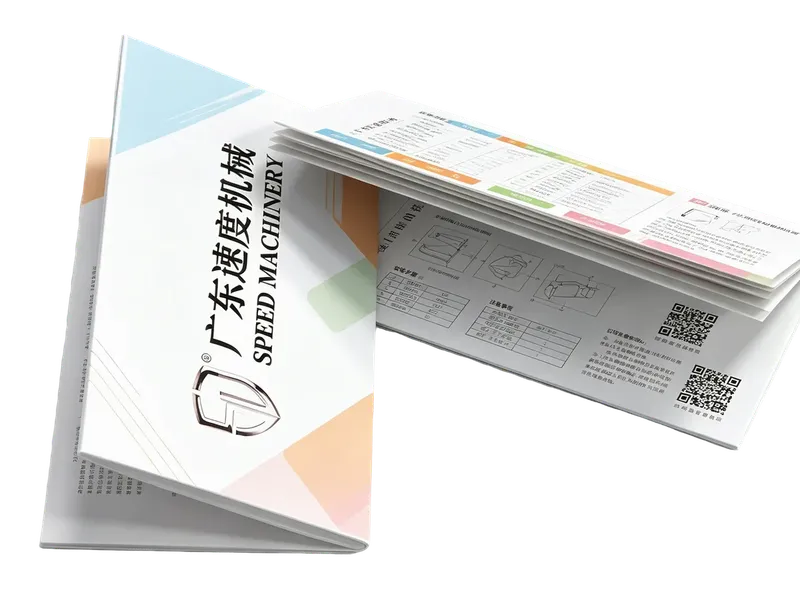
Deep-folded leaflets of 8, 12 or 16 panels that behave like a booklet and must lie flat for packing.
An outsert folds a larger information sheet into a compact, multi-panel piece for a carton. The finished stack must lie flat and feed consistently into packing equipment.
The folding platform and plate arrangement depend on the panel count and sheet. Where required, the SD-X250 trims the folded work and the SD-XP300 presses the finished stack.

Leaflets and promotional inserts folded to carton size, packed by automatic equipment.
Carton inserts and promotional leaflets are folded to a finished size that downstream equipment can pick up consistently. Square edges and flat stacks may be needed for automatic packing.
T520, T600 or T780 folding configurations can be paired with SD-X250 trimming or SD-XP300 pressing when the finishing requirement calls for them. Confirm the carton and stock before selecting modules.
A patient information leaflet is the hardest folding job in print. The sheet is small — often 60 × 100 mm unfolded in the miniature end of the range — the paper is thin, the fold has to be square enough to feed a cartoning line, and the fold line must not crack the ink or the fibre. Get any of those
Solution · Commercial printA commercial print finisher is judged on the number of different jobs that can leave the floor in a day. That makes changeover time, fold-pattern range and the ability to switch paper stock between jobs more important than a headline speed figure nobody runs all week.
Send the job drawing, printed stock information and production requirements. Our team can review the equipment combination and arrange the next technical discussion or sample test.
Fold-Test Sample List
Max 5 machines per fold-test request