Paper Folding for Pharmaceutical Packaging

Patient information leaflets, inserts and outserts — miniature formats, counted batches and fold lines that must not crack.

Pharmaceutical

Pharmaceutical packaging is the most demanding folding application there is. The sheet is small, the paper is thin, the fold tolerance is set by whether the leaflet feeds a cartoning line, and every batch has to be accountable. Nothing about that is negotiable, and it is why the pharmaceutical sector is where folding machines are specified hardest.

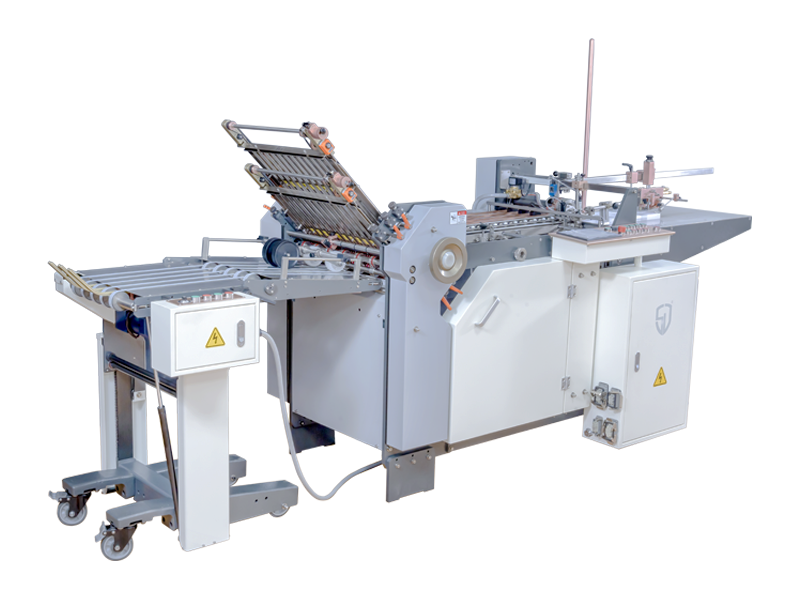
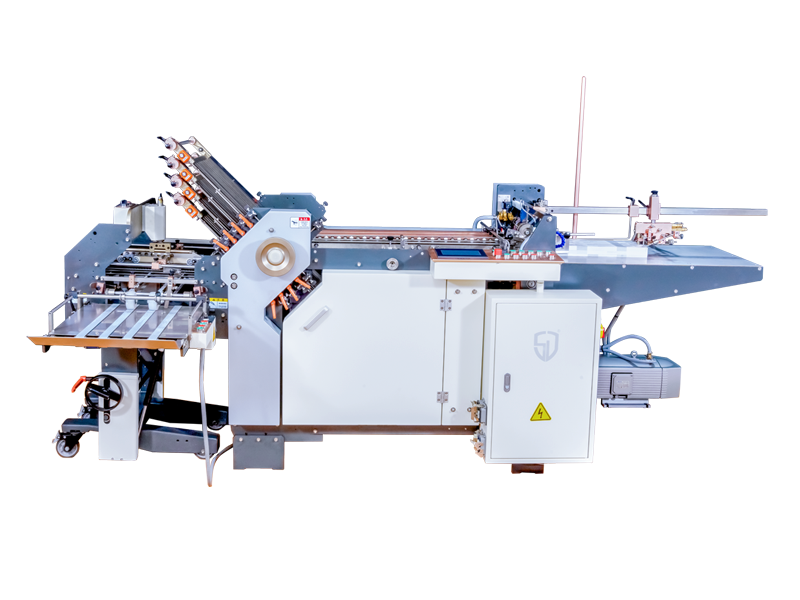
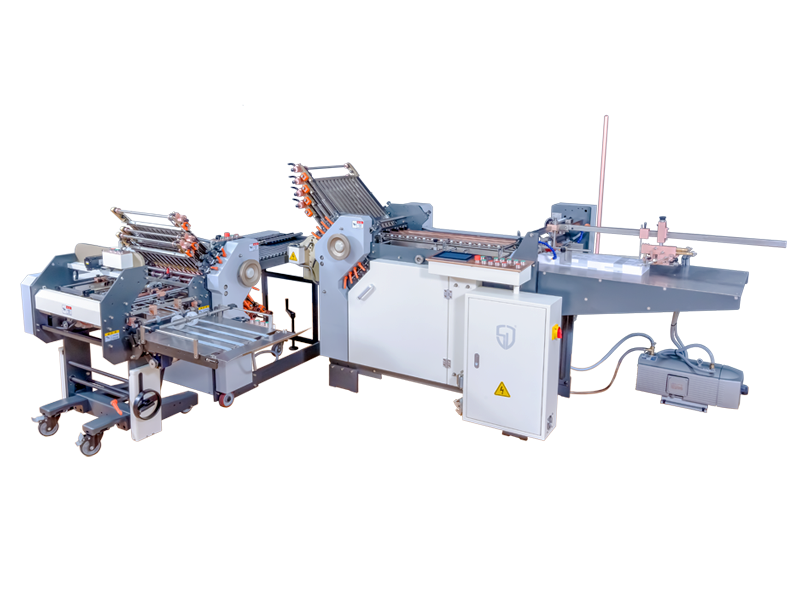
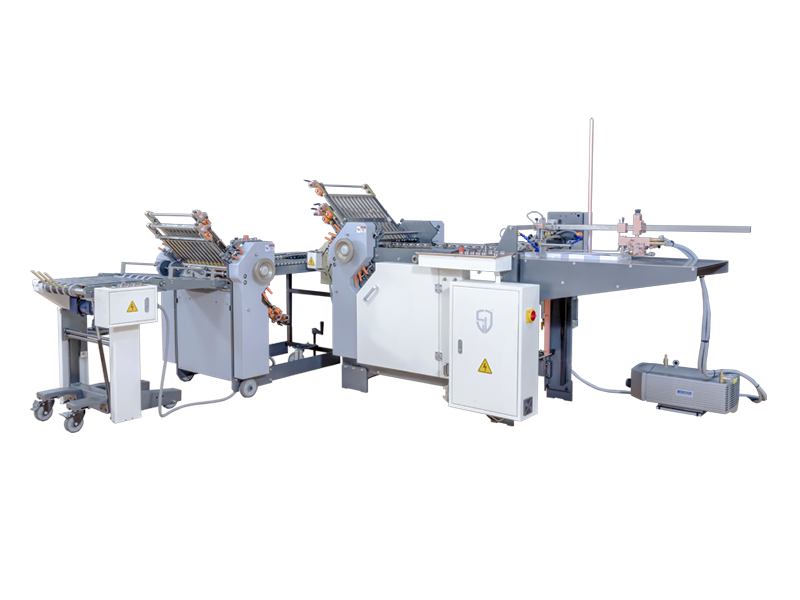
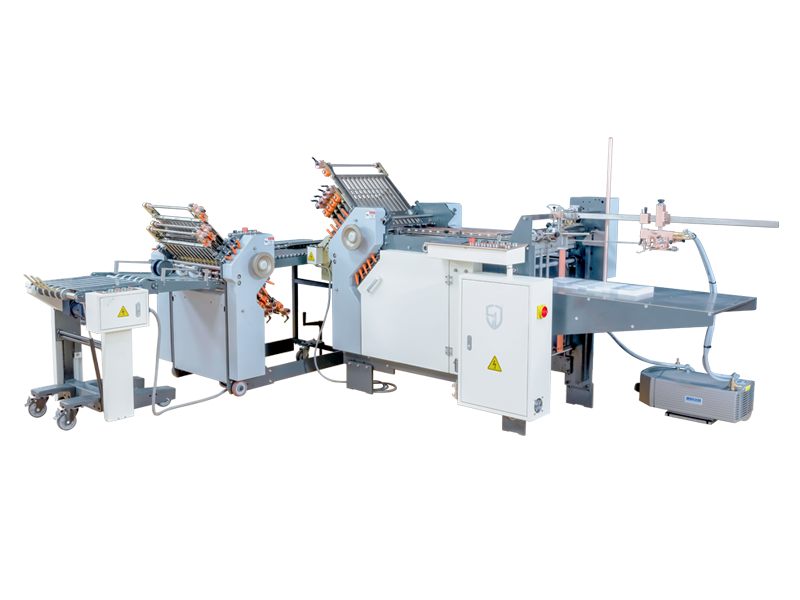
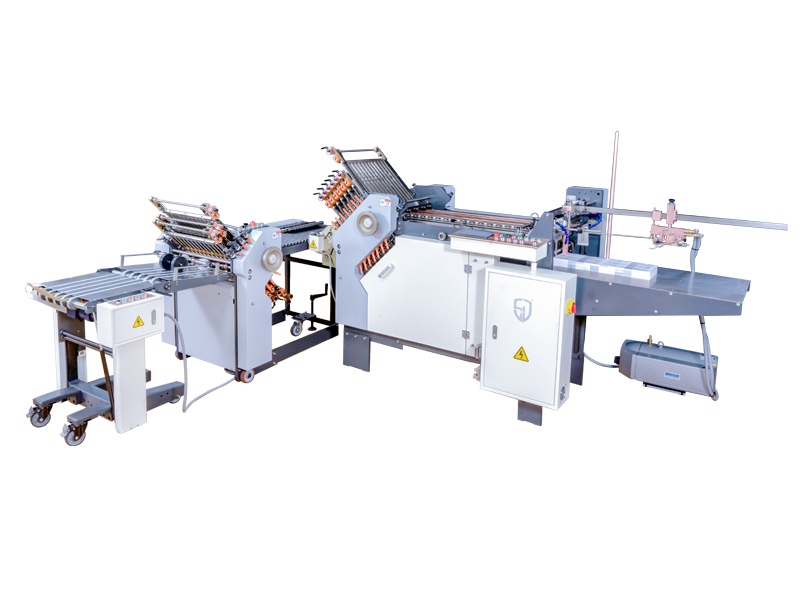
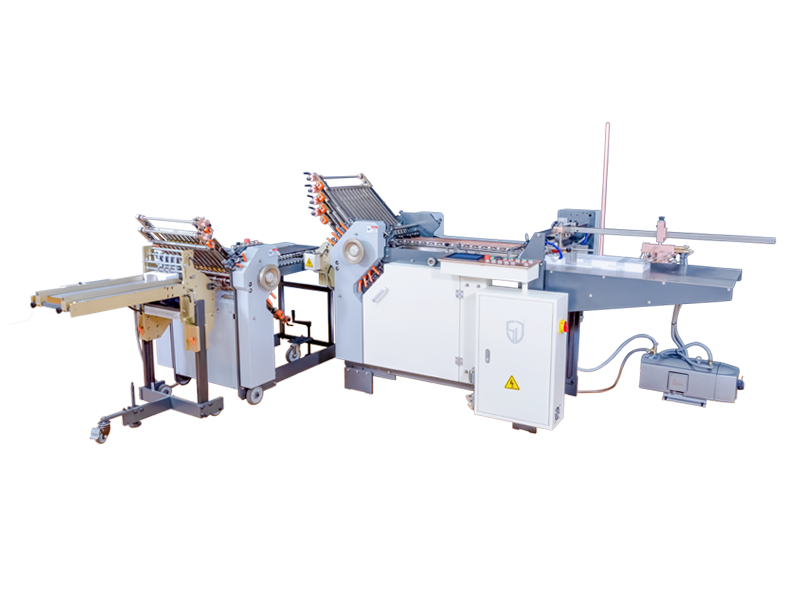
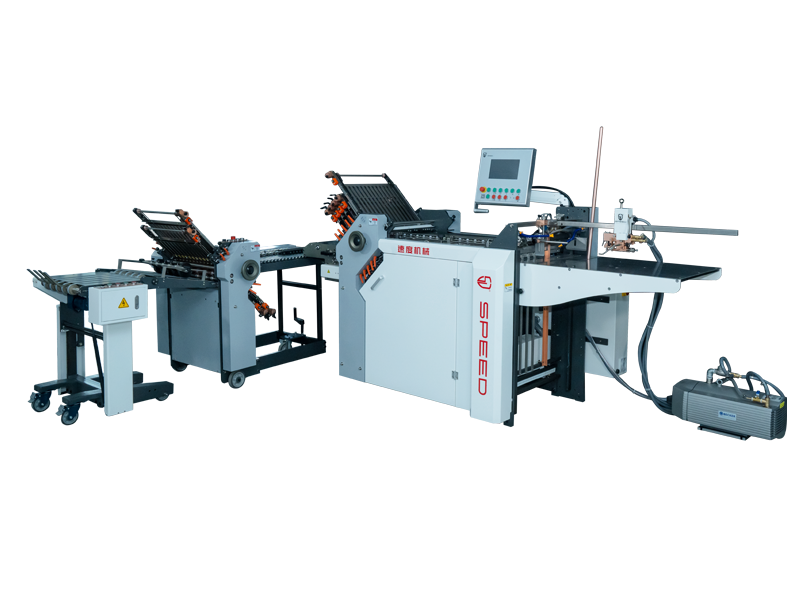
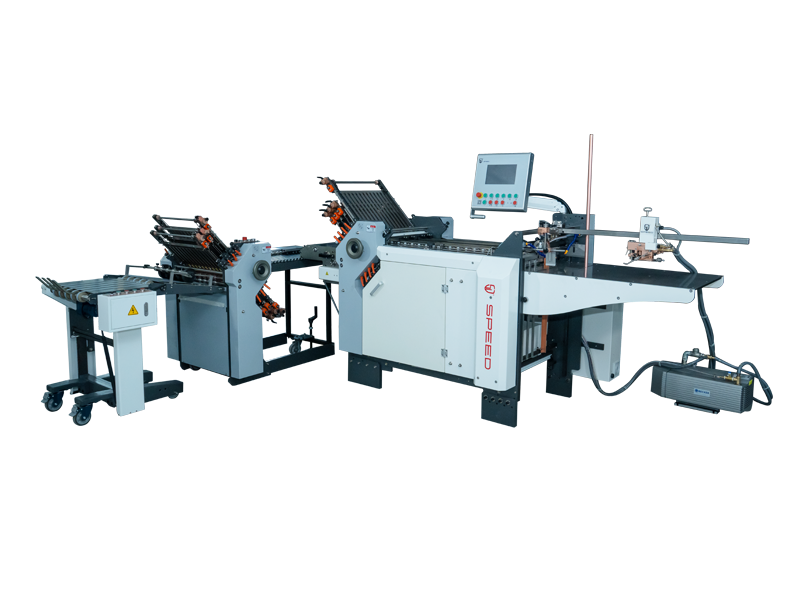
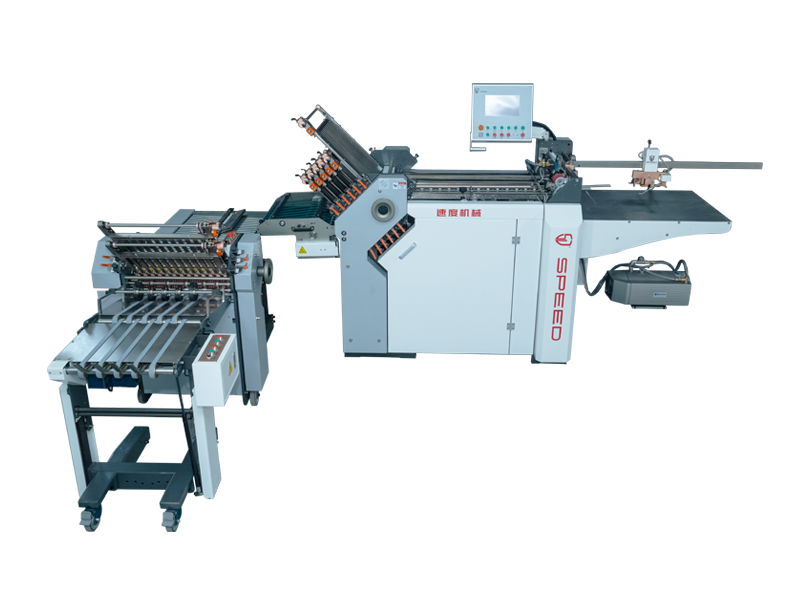
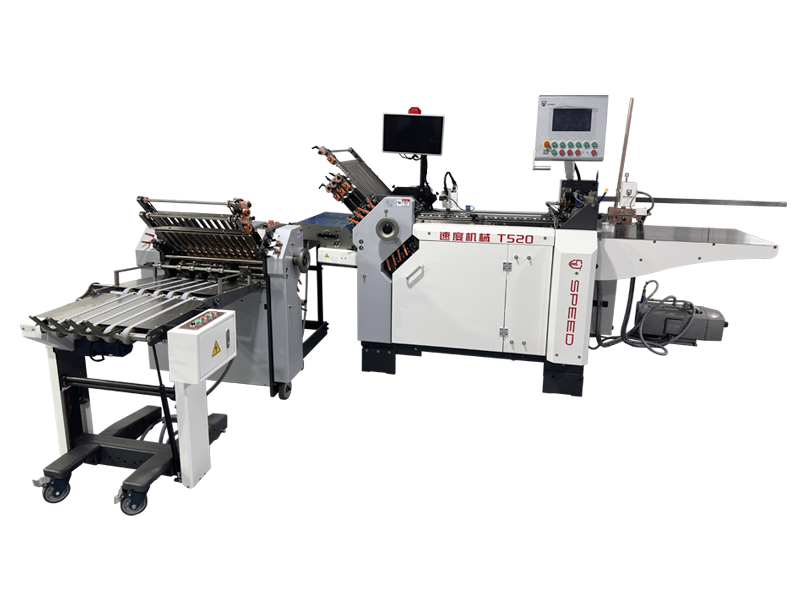
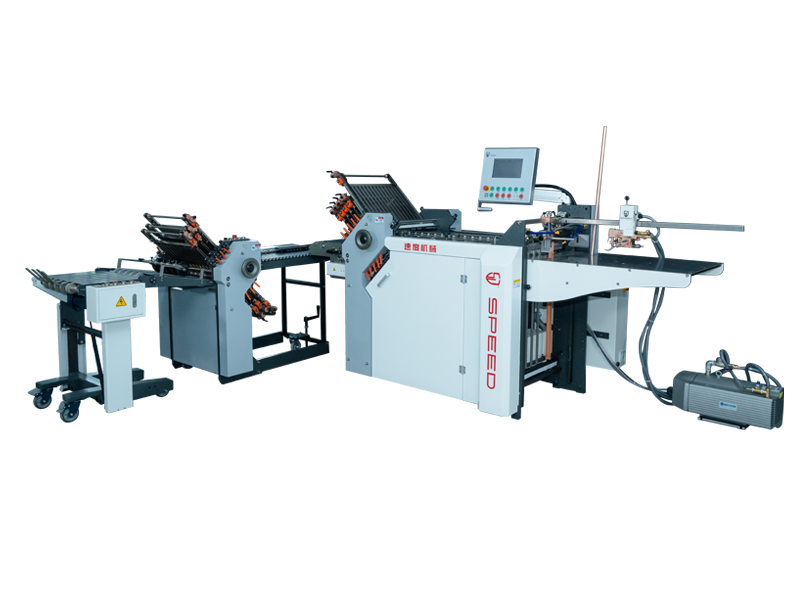
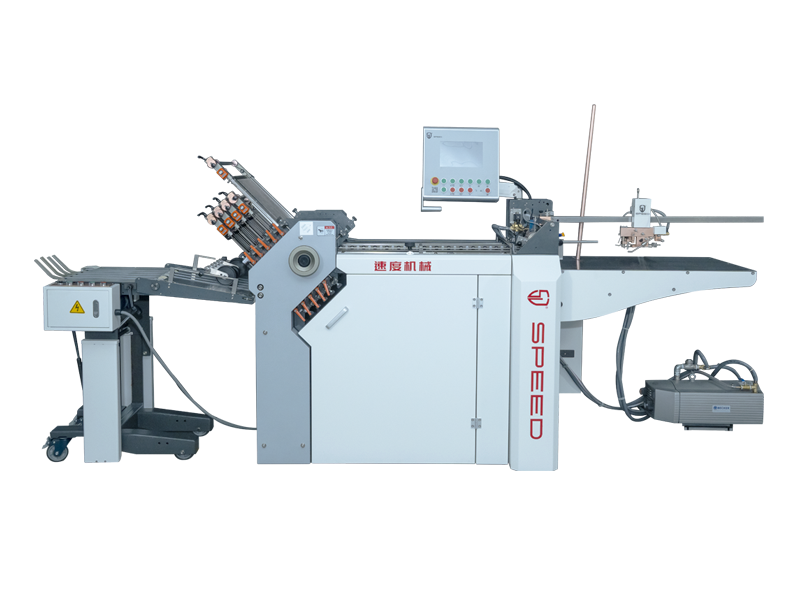
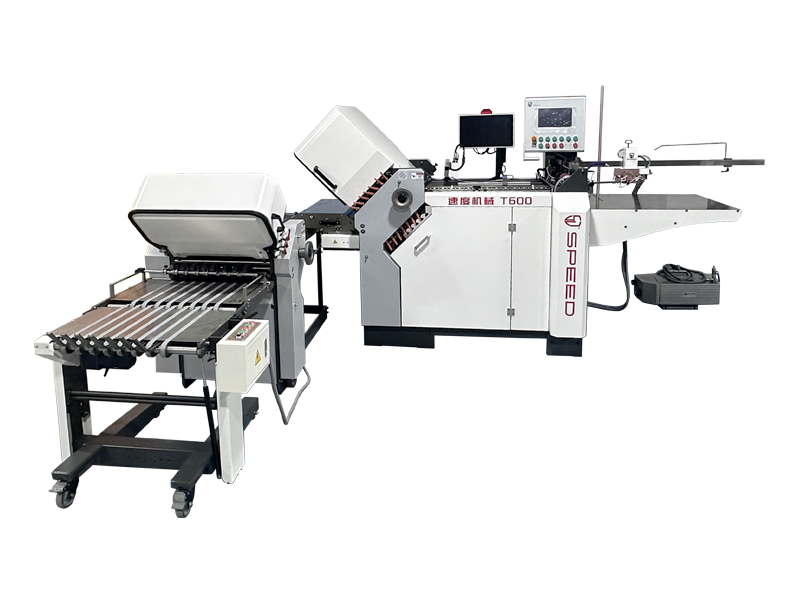
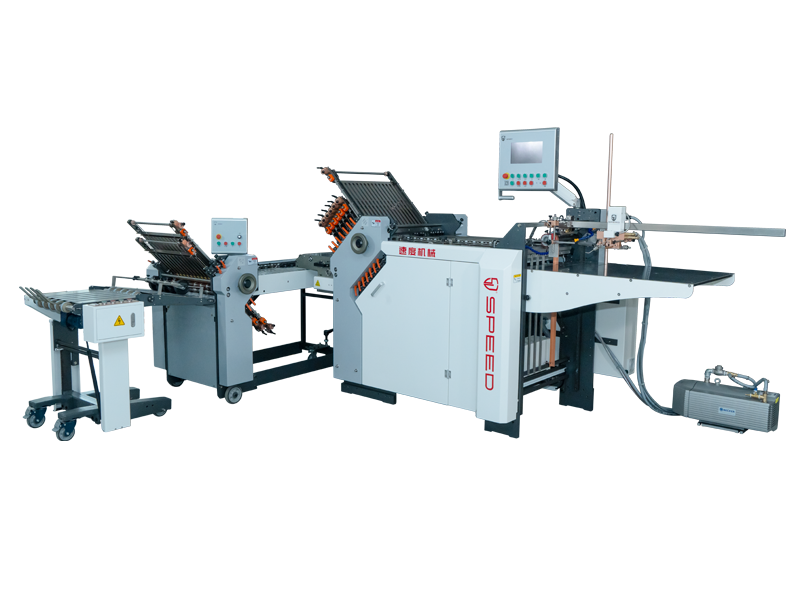
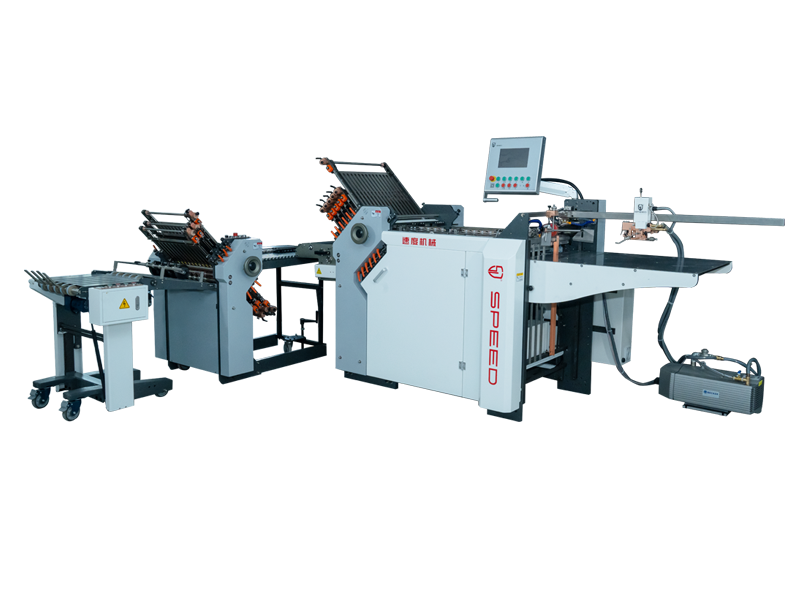
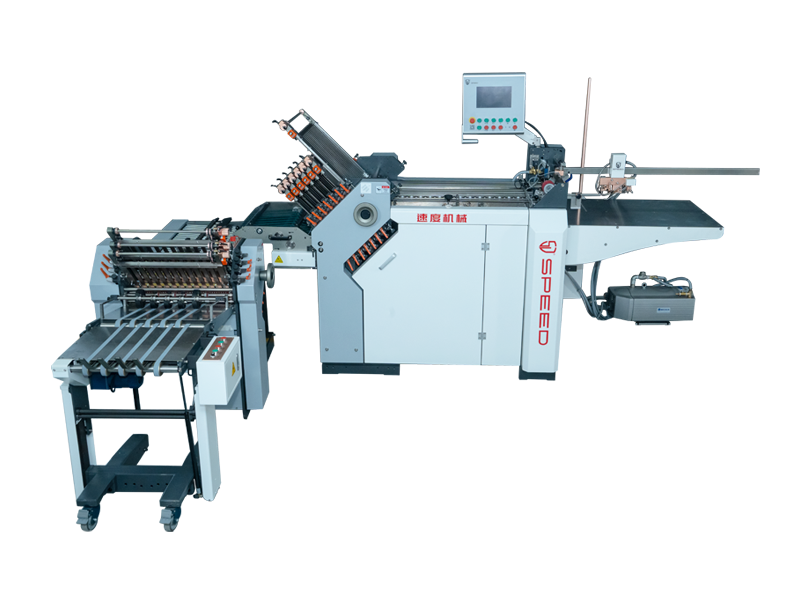
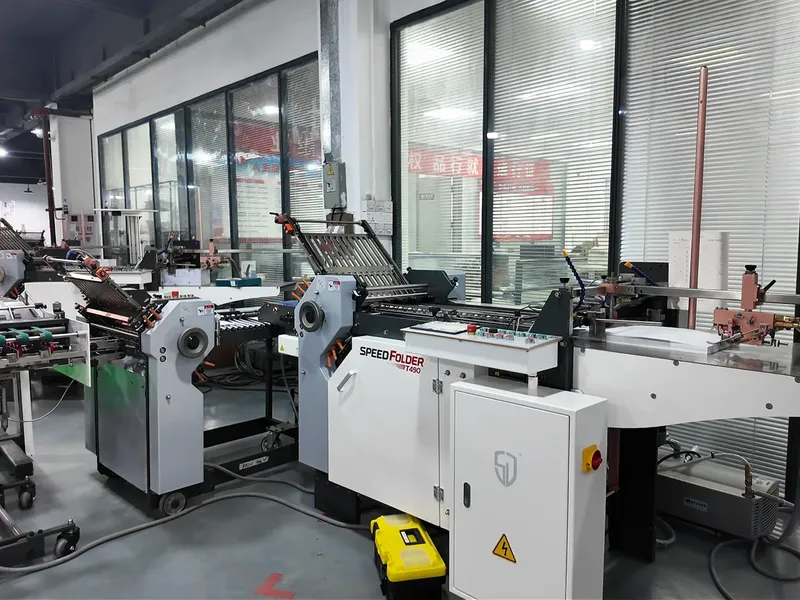
The T490 and T520 support sheets from 60 × 100 mm with a 20 mm minimum buckle fold and 35–200 gsm paper range. The T520 pharmaceutical line supports optional dampening, scoring and glue dot or label sealing; its waste rejection configuration requires a minimum 100 × 120 mm sheet. Review any SD-X250 knife and SD-XP300 pressing modules separately.

What gets folded in pharmaceutical

The folded products this sector buys, and the machine decision each one forces.

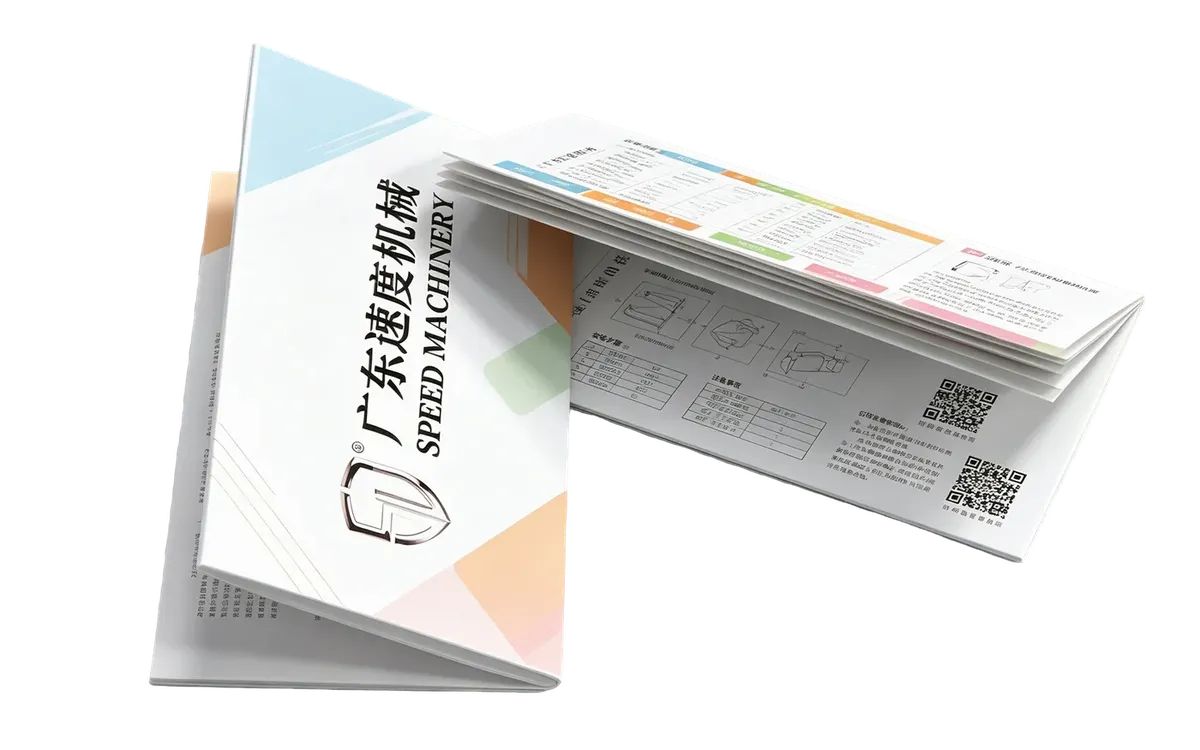
Patient information leaflets (PIL)

Folded to carton-insert size from 40–120 gsm pharma paper; the highest-volume pharmaceutical folding job.

Inserts and package leaflets

Miniature formats with fold patterns set by the carton dimensions rather than by the sheet.

Outserts

Deep-folded leaflets of 8, 12 or 16 panels that behave like a booklet and must lie flat for packing.

Instruction manuals for devices

Multi-language booklets with higher panel counts, often stitched before flattening.

What this sector demands

Production requirements to review when specifying equipment for this sector.

01

Miniature format control

A 60 × 100 mm sheet has no mass to hold register with, so the feeder, transport and folding fence have to be specified for the small end rather than the machine simply being "big enough".

02

Fold lines that do not crack

Thin coated pharma paper cracks at the fold if grip and pressure are wrong. Spiral-pattern rollers with soft polyurethane and adjustable creasing pressure are the answer.

03

Counted, accountable batches

Double-sheet detection, counted delivery and CE/ISO documentation are what make a batch reconcilable and a supplier qualifiable.

04

Flat, packable output

A folded leaflet traps air between panels. Press flattening removes the bulge so the stack feeds downstream packaging equipment.

Folded product applications

Pharmaceutical leaflets

Pharmaceutical leaflets

Folded to carton-insert size from 40–120 gsm pharma paper; the highest-volume pharmaceutical folding job.

Production considerations

Patient information leaflets must fit the carton while retaining readable multi-panel copy. Miniature sheet handling, repeatable fold position and counted delivery are the main production checks.

The T490 and T520 cover leaflet folding. Confirm the pattern on the actual stock, then specify any required knife, pressing, sealing and delivery modules against the finished sample and packaging process.
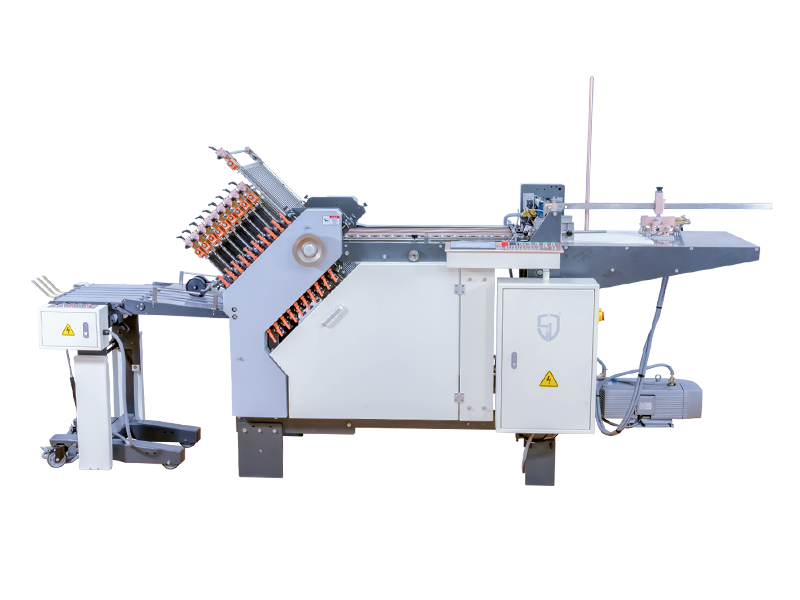
Pharmaceutical outserts

Pharmaceutical outserts

Deep-folded leaflets of 8, 12 or 16 panels that behave like a booklet and must lie flat for packing.

Production considerations

An outsert folds a larger information sheet into a compact, multi-panel piece for a carton. The finished stack must lie flat and feed consistently into packing equipment.

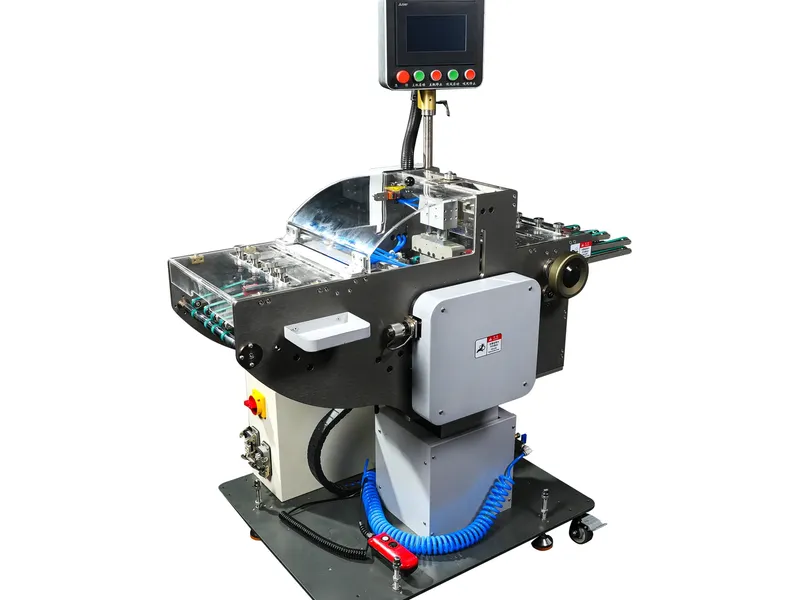
The folding platform and plate arrangement depend on the panel count and sheet. Review any knife operation and SD-XP300 pressing against the finished sample; sealing and delivery are specified with the required line configuration.

Machines for pharmaceutical

See it running

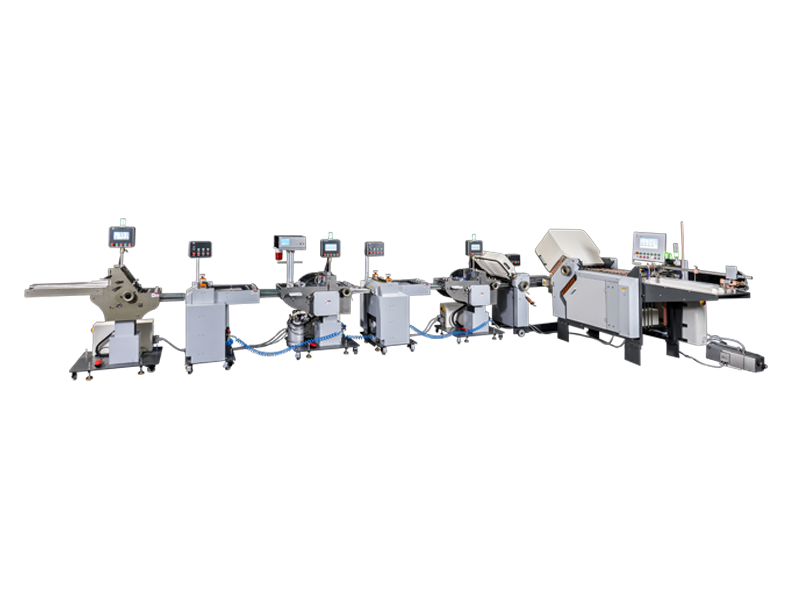
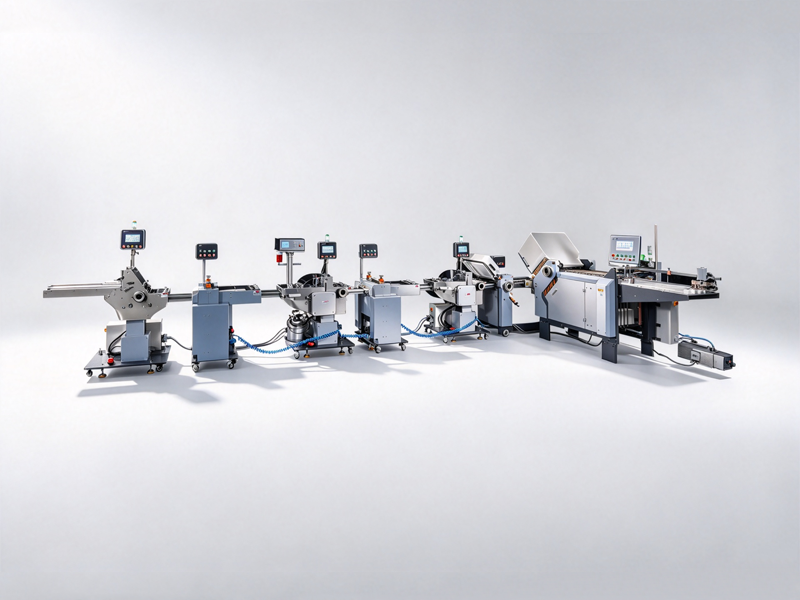
Pharmaceutical leaflet and insert folding line

The pharmaceutical folding line as a system: miniature buckle folding, parallel knife trimming and press flattening working as one process.

Watch on YouTube →

Pharmaceutical leaflet folding in miniature format

Patient information leaflets folded from 60 × 100 mm sheets — the accuracy regime that decides whether a leaflet feeds on a cartoning line.

Watch on YouTube →

Book a fold test for pharmaceutical

We fold your product on the recommended machine and return the samples with measurements, so the decision is made on your own paper.