Paper jamming is the single most disruptive fault on automatic buckle folding machines, directly cutting into production uptime, increasing material waste, and delaying tight delivery schedules for printing houses, packaging plants and pharmaceutical leaflet manufacturers. Recurring jams are rarely random — they almost always trace back to misaligned feed guides, worn roller components, incorrect fold plate settings, or paper stock mismatches. In this complete guide, we break down the most common causes of buckle folding machine paper jamming, walk you through a safe, step-by-step jam clearing procedure, and share proven preventive measures to keep your production line running reliably.
Buckle Folding Machine Paper Jamming: Causes & Step-by-Step Fixes
Paper jamming is one of the most disruptive and costly issues on production-grade buckle folding machines. For commercial printing houses, packaging plants and pharmaceutical leaflet manufacturers, even a single jam can halt an entire production line, waste valuable stock, and push back tight delivery schedules. On high-speed automatic paper folding machines, recurring jams often point to underlying setup, maintenance or material issues that operators can resolve with systematic troubleshooting.
Whether you are running half folds, tri-folds, accordion folds, cross folds, gate folds or double parallel folds, understanding why jams occur and how to clear them safely is essential for maximizing uptime. In this complete guide, we break down the root causes of buckle folding machine paper jamming, provide a safe step-by-step clearing procedure, and share proven preventive practices to keep your automatic buckle folder running reliably.
Why Paper Jams Happen on Automatic Buckle Folding Machines
Paper jams on buckle plate folding machines rarely occur randomly. Almost every case traces back to one of six core categories: feed alignment issues, separation failures, incorrect gap settings, worn components, material mismatches, or deflector problems. Below we examine each cause in detail, ordered from most frequent to least common.
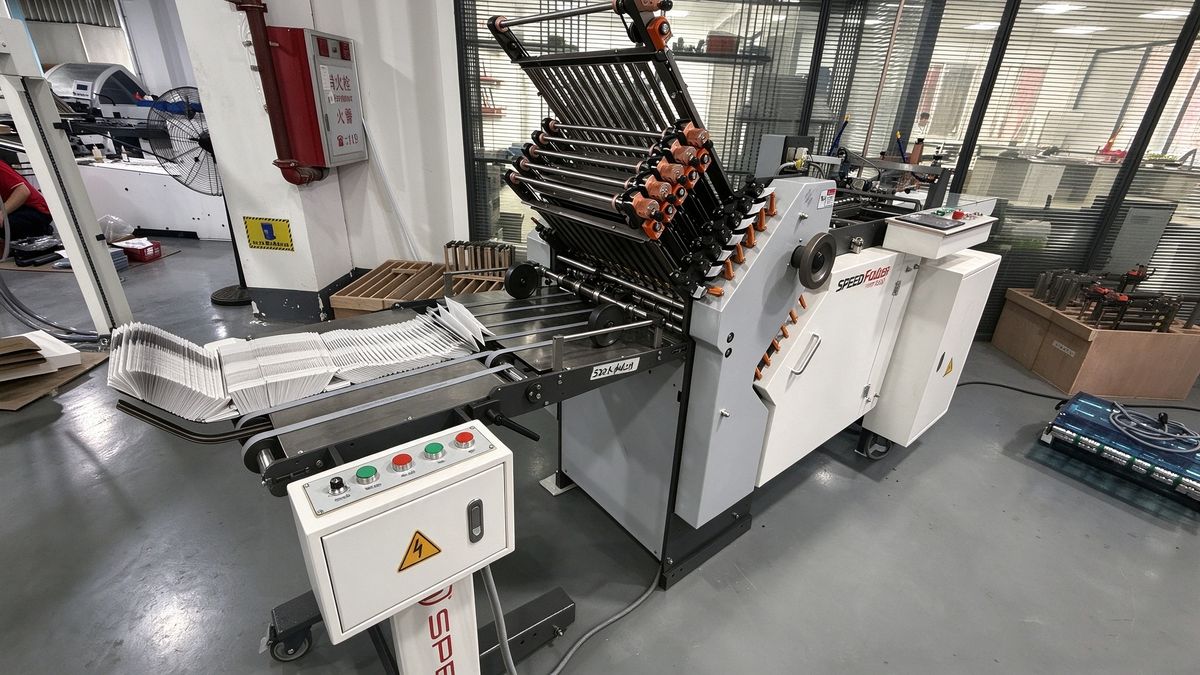
Misaligned Feed Guides & Skewed Sheet Entry
This is the single leading cause of buckle folding machine paper jamming, especially when changing job sizes or paper formats. When side guide plates are set too wide, paper sheets can shift sideways as they enter the first fold station, entering the buckle plates at an angle. A skewed sheet will not buckle cleanly inside the plate, instead crumpling against the plate stop and creating an immediate jam.
Conversely, if guides are set too tight, the leading edge of the sheet can bind and crumple before it even reaches the fold rollers. For narrow-format jobs such as pharmaceutical leaflets and small packaging inserts, precise guide alignment is even more critical, as there is less margin for lateral movement before the sheet catches on internal components.
Double Sheet Feeding & Separation Issues
When two or more sheets feed into the machine together, a jam is almost guaranteed. Double feeding is a common automatic folding machine jamming trigger, and it typically stems from one of three issues:
- Static electricity: Dry production environments cause sheets to cling together, overwhelming the separation system. Thin, lightweight leaflet paper is particularly prone to static buildup.
- Worn separation pads or rollers: Over time, separation components lose friction and can no longer reliably single out one sheet from the stack.
- Incorrect air separation settings: On air-feed high-speed paper folding machines, insufficient or misdirected air blast fails to separate the top sheets properly.
Double-fed sheets are thicker than the machine is calibrated for, so they bind in the fold plate gaps and roller nips, often causing severe crumpling that leaves paper fragments inside the machine.
Incorrect Fold Plate Gap Settings
Every paper thickness requires a corresponding fold plate and roller gap setting. If the gap is set too narrow for the stock being run, the sheet cannot pass through cleanly and will bunch up inside the buckle plate. This is a frequent issue when operators switch between thin leaflet stock and heavier brochure or cover paper without recalibrating.
Gap-related jams are especially common with complex fold styles such as accordion folds and double parallel folds, where sheets pass through multiple successive stations. A slight misadjustment in an early plate compounds as the sheet travels downstream, resulting in a jam several stations later.
Worn or Contaminated Feed Rollers
Feed rollers coated in paper dust, ink residue or glaze lose traction, causing inconsistent sheet timing. When a sheet slows down unexpectedly mid-path, the following sheet can catch up, resulting in overlapping sheets and a jam. Worn rollers with flattened or hardened surfaces produce the same effect by failing to grip paper uniformly across the web width.
On heavy-duty industrial buckle folding machines running three-shift production, roller contamination can build up surprisingly quickly, making regular cleaning a critical factor in jam prevention.
Paper Stock & Environmental Factors
Running paper outside the machine's rated specifications is a common but often overlooked cause of repeated jamming.
- Paper that is too thin or too stiff can fail to buckle predictably inside the plates, leading to misfeeds.
- Paper with high moisture content softens and swells, increasing friction and causing sheets to stick together.
- Dull-cut paper edges from worn cutter blades can leave micro-tears and fuzz that catch on guides and plates.
- Extremely dry conditions generate static, while high humidity softens paper fibers — both conditions increase jam frequency.
Damaged or Misaligned Deflectors
Deflectors guide folded sheets between roller sets and through the machine's paper path. If a deflector becomes bent, loose or mispositioned, it creates an obstruction that catches sheet edges and causes jams. Lower deflectors and those after cross-fold stations are particularly prone to being knocked out of alignment during job changeovers or jam clearing.
Step-by-Step Guide to Clear a Buckle Folding Machine Paper Jam
Clearing a paper jam incorrectly can damage precision components, bend fold plates, or leave hidden fragments that cause repeat jams. Follow this structured procedure to clear jams safely and completely on any automatic buckle folder.
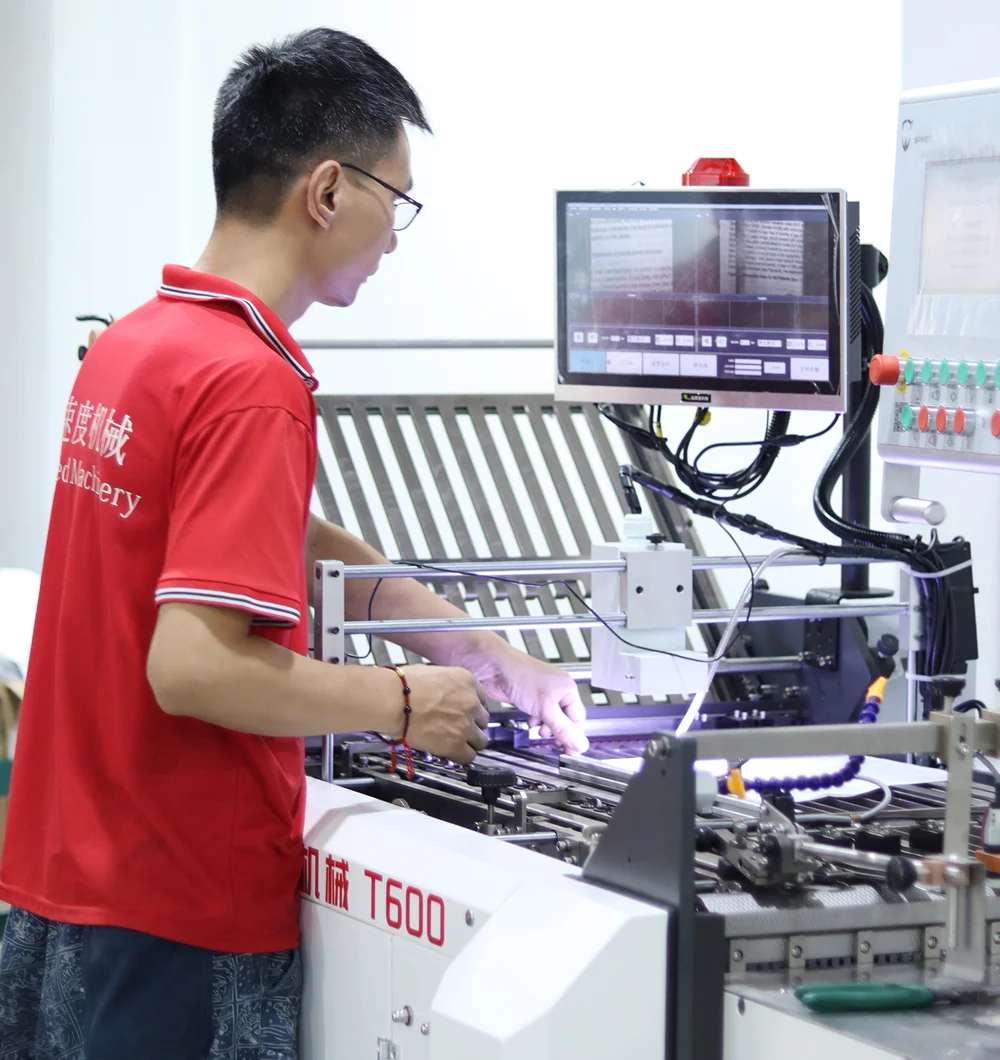
Step 1: Power Off and Locate the Jam
Immediately stop the machine at the first sign of jamming — unusual grinding noises, sudden sheet stoppage, or a jam alert on the control panel. Lock out or power off the machine completely before opening any access panels to avoid injury or accidental startup.
Visually identify the jam location:
- Feed section jams: Sheets bunch before entering the first fold station
- Fold plate jams: Paper crumples inside one or more buckle plates
- Exit section jams: Finished folds back up at the delivery or conveyor
Most modern high-speed buckle folders have jam detection indicators that pinpoint which station is blocked, saving valuable troubleshooting time.
Step 2: Access the Jammed Area Safely
Open only the access panels and covers needed to reach the jammed paper. For fold plate jams, release the buckle plate locking lever and carefully withdraw the affected plate to expose the crumpled sheet. Do not force plates or covers — if something does not move freely, check for additional locking mechanisms.
For deep jams wrapped around rollers, you may need to remove side guards or upper roller assemblies. Always refer to your machine manual for the correct disassembly sequence to avoid bending precision shafts or misaligning timing.
Step 3: Remove Jammed Paper Without Damaging Components
Gently pull the jammed sheet in the direction of normal paper travel whenever possible. Pulling backward against the roller nip can tear the paper and leave fragments, or damage roller surfaces and timing belts.
Work slowly and evenly across the full width of the sheet. If the paper tears, stop and locate all pieces before proceeding. A single torn corner left inside a fold plate or behind a deflector will cause the next sheet to jam in exactly the same spot.
Step 4: Inspect for Paper Fragments and Residue
After removing the main jammed sheet, thoroughly inspect the entire paper path for small scraps, dust buildup, or torn edges. Check:
- Inside each buckle plate channel
- Between upper and lower fold rollers
- Behind deflectors and guide plates
- Around sensor eyes and detection points
Use compressed air or a soft brush to clear loose paper dust. Wipe roller surfaces with a recommended cleaner to remove any glaze or ink residue that may have contributed to the jam.
Step 5: Test Run Before Resuming Production
Reinstall all plates, guards and panels, then run 5–10 test sheets at reduced speed to confirm the jam is fully cleared and fold quality is consistent. Inspect the test sheets for skew, creasing or edge damage that would indicate a remaining alignment issue.
Only return to full production speed once you have verified clean, consistent folding across a full sample run. Document the jam cause and resolution for future reference to speed up troubleshooting on repeat jobs.
6 Preventive Measures to Reduce Paper Jams
The most effective jam solution is prevention. Implement these six practices into your daily folding operation to dramatically reduce buckle folding machine paper jamming frequency and maximize production uptime.
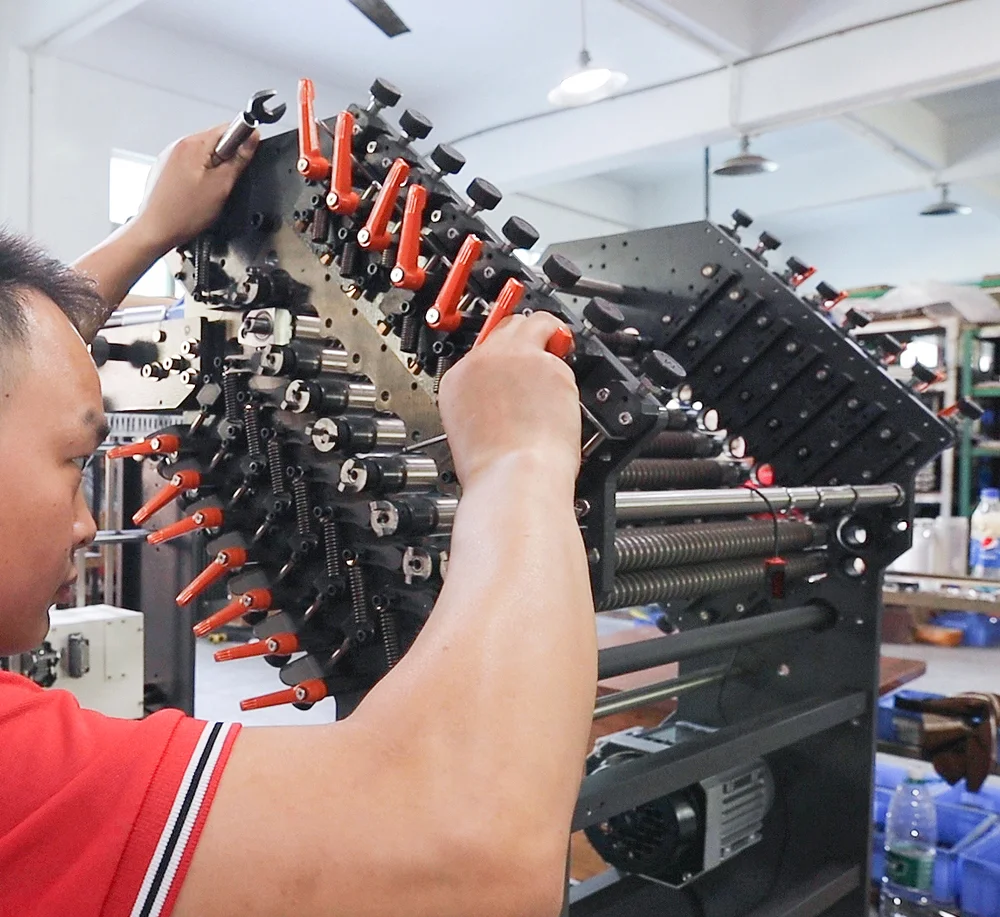
Calibrate Feed Guides for Every Job
Never assume guide settings carry over from the previous job. For every new paper size, stock weight or fold style — whether you are running simple leaflets or complex cross-fold booklets — reset and verify side guide alignment. Use a sample sheet to confirm centered, square entry with minimal but non-binding side clearance.
For high-volume pharmaceutical leaflet and packaging insert jobs, save verified guide settings in your job setup sheet so you can reproduce them exactly on repeat runs.
Maintain Proper Paper Separation Settings
Double feeding is preventable with proper setup and maintenance:
- Fan paper stacks thoroughly before loading to break static adhesion
- Adjust separation pad pressure or air flow to match paper weight
- Clean separation rollers and pads at the start of every production shift
- Replace worn separation components at the first sign of double-feeding
On air-feed high-speed automatic paper folding machines, check air filters regularly — clogged filters reduce separation performance and lead to intermittent feeding faults.
Clean and Inspect Rollers Regularly
Build roller cleaning into your weekly maintenance routine. Use manufacturer-approved roller cleaner to remove paper dust, ink and glaze buildup that reduces traction. Inspect roller surfaces for flat spots, cracking or uneven wear.
Worn rollers are a hidden cause of recurring paper folding machine jam issues. Replacing rollers at the recommended service interval restores consistent feeding and reduces both jams and fold quality defects.
Optimize Fold Plate Settings for Paper Thickness
Take the time to recalibrate fold plate depth and roller gap whenever switching paper stocks. What works for 80 gsm brochure paper will not work for 45 gsm pharmaceutical leaflet stock.
Most jam issues on complex folds like gate folds and accordion folds stem from plate settings that are slightly off for the material. A few extra minutes of setup calibration saves hours of downtime from mid-run jams.
Control Static and Humidity in Production
Static electricity is a major contributor to misfeeds and jams, especially with lightweight coated and uncoated leaflet papers. Maintain relative humidity between 45–55% in the production area to reduce static buildup. For particularly problematic jobs, use anti-static bars, ionizers or anti-static paper treatments.
Allow paper to acclimate to the production environment for 24 hours before running, especially if it has been stored in a different temperature or humidity zone.
Follow a Preventive Maintenance Schedule
Stick to a structured maintenance program covering daily, weekly, monthly and quarterly tasks. Regular lubrication, belt tension checks, deflector alignment verification and sensor cleaning all contribute to reliable, jam-free operation.
For industrial buckle folding machines running multi-shift production, a formal preventive maintenance program can reduce unplanned downtime from jams and other faults by 60% or more.
How High-Quality Buckle Folding Machines Minimize Jamming
While proper operation and maintenance are essential, the base engineering of your folding equipment plays a decisive role in how often jams occur.
Premium CE-certified automatic buckle folding machines are designed with jam-resistant features including:
- Precision-machined fold plates with consistent gap tolerances across the full working width
- Robust feed systems with adjustable separation for a wide range of paper weights
- Optimized paper path geometry that reduces sheet deflection and catching points
- Accurate jam detection that stops the machine instantly before crumpling worsens
- Quick-release plate and roller systems that make jam clearing fast and tool-free
At SPEED Machinery, we manufacture high-speed automatic buckle folding machines built to ISO quality standards and fully CE certified. Our equipment is engineered for reliable, non-stop production across all common fold types — half fold, tri-fold, accordion fold, double parallel fold, cross fold and gate fold — serving commercial printing shops, packaging plants and pharmaceutical leaflet producers worldwide.
Our machines feature precision feed systems, hardened fold plates and wear-resistant roller assemblies designed to minimize jamming even at maximum production speed, reducing waste and keeping your production schedule on track.
If recurring jams on your current folding equipment are cutting into your productivity, our technical team can help you evaluate whether an upgraded machine would deliver measurable uptime and efficiency gains for your operation.
If you are experiencing persistent buckle folding machine paper jamming issues, or are looking to upgrade to a more reliable high-speed automatic folding solution, contact SPEED Machinery today. Our engineering team can help you diagnose production bottlenecks and recommend the right equipment for your printing, packaging or pharmaceutical leaflet operation.
Frequently asked
Why does my buckle folding machine jam only on accordion fold jobs?
Accordion folds pass through multiple successive fold stations, so small alignment errors compound with each fold. Ensure each plate is perfectly square and gap settings are uniform across all stations. Thin paper used for long leaflets is also more prone to buckling and jamming in multi-plate setups.
Can running too fast cause more paper jams?
Higher production speeds increase sheet momentum and place more demand on feed timing and separation systems. A machine that runs cleanly at moderate speed may jam at top speed if rollers are worn, separation is marginal, or guides are slightly out of alignment. Well-maintained, high-quality industrial buckle folders can maintain jam-free operation at full rated speed.
How do I stop my folding machine from feeding multiple sheets?
Start by fanning the paper stack thoroughly to break static bonds. Adjust the separation pad pressure or air separation settings for your paper weight. If the problem persists, clean or replace the separation rollers/pads — worn separation components are the most common cause of persistent double-feeding.
Is it safe to clear a jam while the machine is running?
No. Always power off and, where applicable, lock out the machine before clearing any jam. Reaching into a running buckle folder poses serious pinch-point and entanglement hazards. All jam clearing and maintenance should be performed with the machine fully stopped and power secured.
What does it mean if jams always happen in the same fold station?
Recurring jams in one specific station almost always indicate a localized issue: a bent deflector, a misaligned fold plate, a damaged roller, or a buildup of paper residue in that station. Inspect that location thoroughly and compare its settings and condition to adjacent stations to identify the difference.