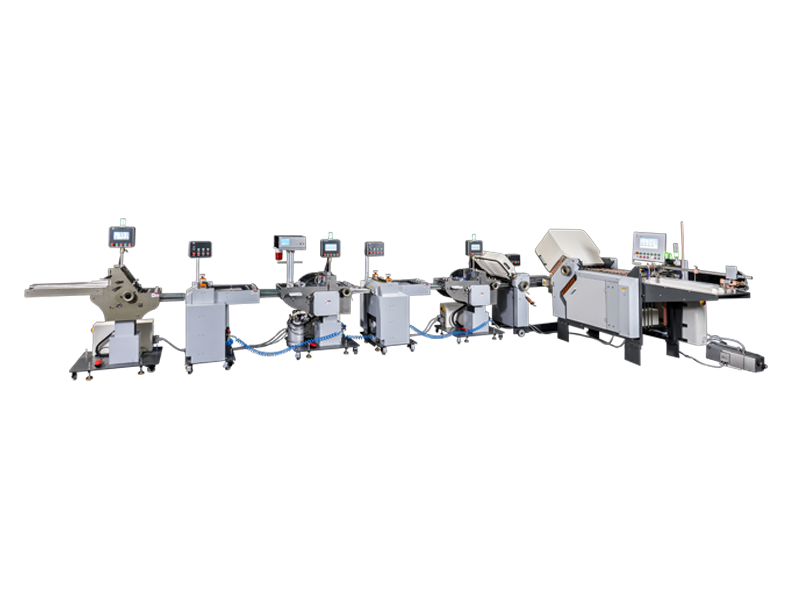
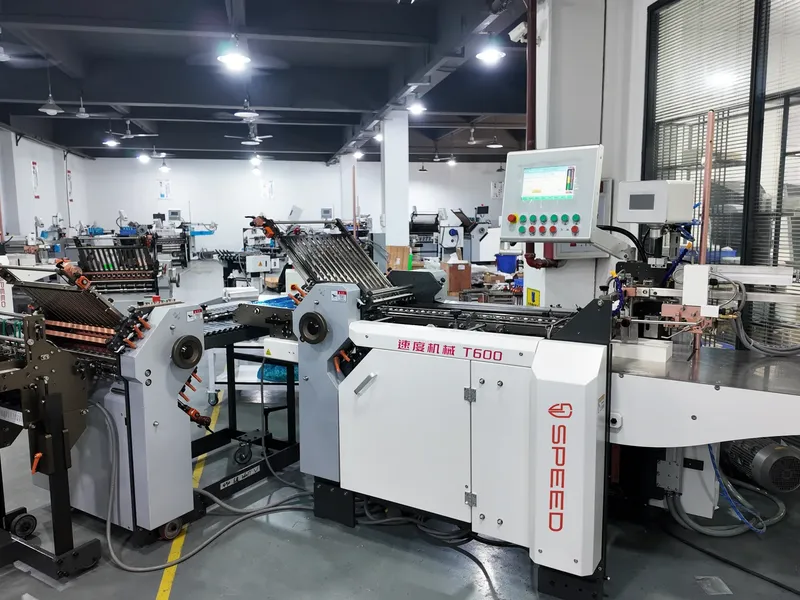
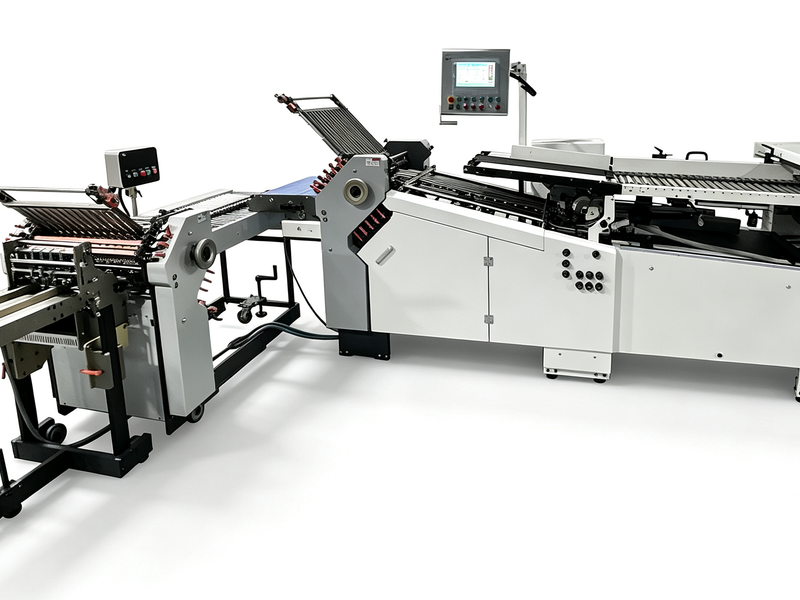
Skew folds and misaligned fold lines are one of the most persistent quality defects on automatic buckle folding machines, directly driving up paper waste, extending production lead times, and causing batch rejections for commercial printing houses, packaging plants and pharmaceutical leaflet manufacturers. What starts as a barely noticeable misalignment on a single fold quickly compounds across multi-stage folds like accordion folds, double parallel folds and cross folds, resulting in clearly defective finished products. In this complete guide, we break down the most common causes of buckle folding machine skew folds, walk you through a systematic troubleshooting sequence, and share proven preventive practices to maintain consistent fold accuracy.
Why Is Your Buckle Folding Machine Making Skew Folds? Full Troubleshooting
Skew folds — where fold lines run crooked, angled or off-parallel across the sheet — are one of the most persistent quality defects on automatic buckle folding machines. For commercial printing houses, packaging plants and pharmaceutical leaflet manufacturers, even a 0.5mm fold skew can ruin batch consistency, drive up paper waste, and delay tight production schedules. For high-precision applications like medicine package inserts and branded promotional brochures, misaligned folds often result in full batch rejection due to compliance or brand standards.
On high-speed buckle plate folding machines, skew issues often appear suddenly after a job changeover, or gradually worsen as components wear through long production runs. Many operators struggle to isolate the root cause, leading to repeated test runs and hours of lost uptime. In this complete guide, we break down exactly why skew folds form on buckle folders, walk you through a systematic, easiest-first troubleshooting sequence, and share proven preventive practices to keep your folding runs accurate and efficient.
What Are Skew Folds on a Buckle Folding Machine?
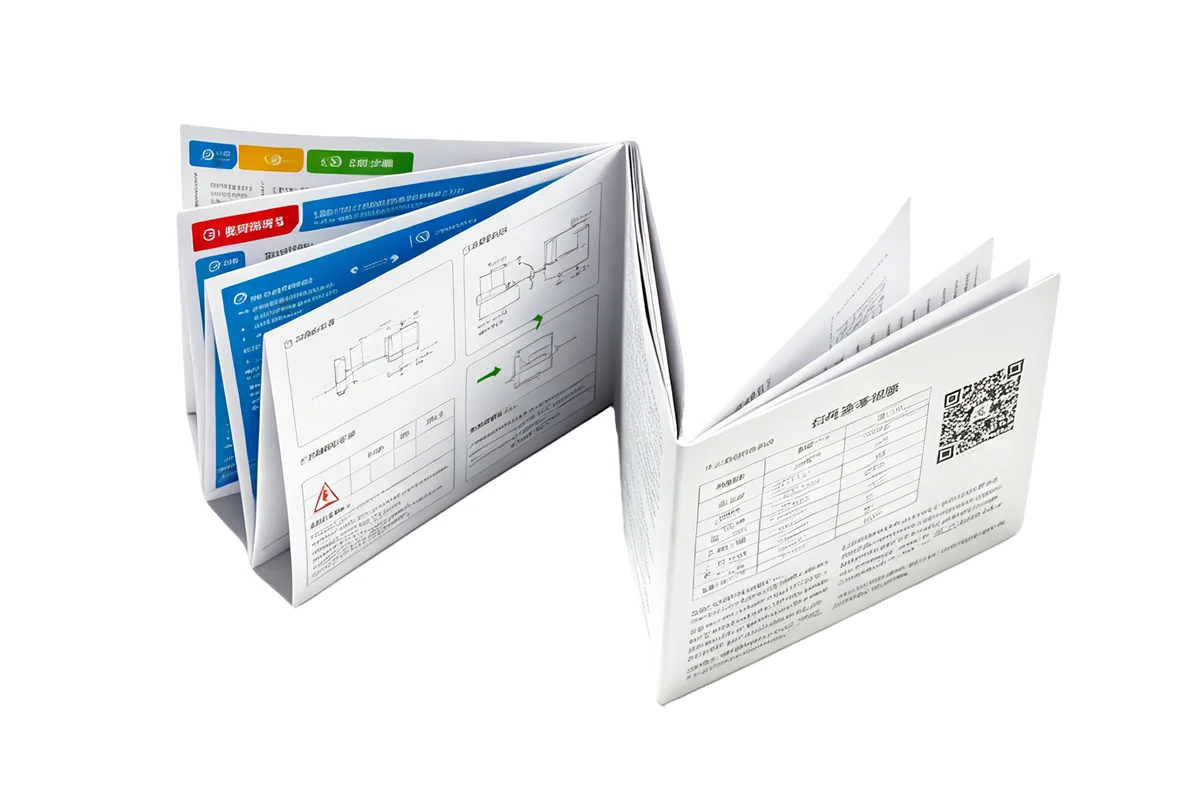
Skew folds refer to fold lines that are misaligned, diagonal or out of parallel with the sheet edges, rather than running perfectly straight and square across the paper. Unlike simple fold position drift, skew affects the angle of the entire fold line, causing finished panels to be uneven in width, corners to misalign on multi-panel products, and sheets to fail downstream packaging or binding processes.
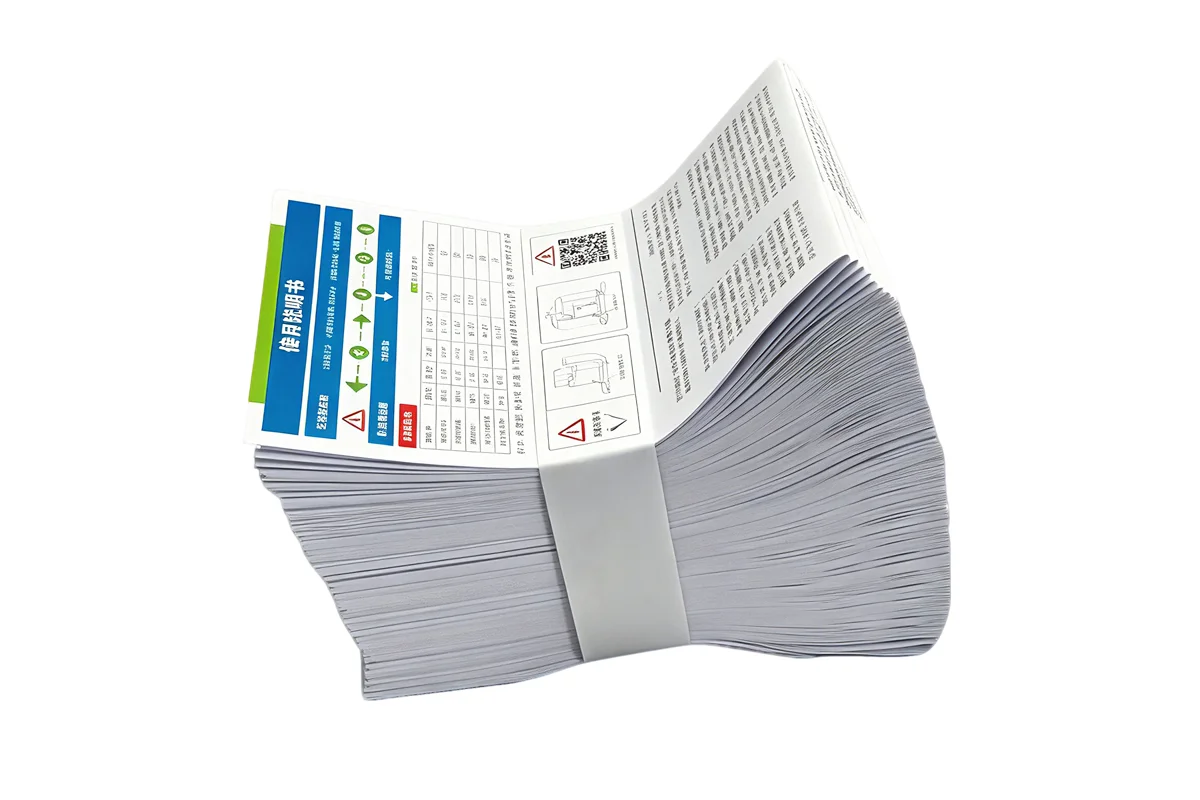
For pharmaceutical leaflet folding production, skew folds can cause inserts to jam in automatic packaging lines or fail regulatory visual inspection standards. For commercial print jobs like brochures, booklets and flyers, crooked folds damage brand presentation and lead to customer returns. Even minor skew that passes visual inspection will compound on multi-stage folds like accordion folds and double parallel folds, resulting in clearly defective final products.
Common Causes of Skew Folds on Automatic Buckle Folding Machines
Skew folds almost always originate from misalignment, uneven traction or inconsistent sheet travel — not from a fundamental flaw in the buckle folding design. Below are the most frequent causes, ordered from most common to least common, with context specific to industrial print and packaging production.
Misaligned Side Feed Guides
This is the single leading cause of fold skew, and the first place to check when issues appear. Side guide plates that are uneven, too loose, or not perfectly parallel allow the sheet to shift laterally as it enters the first fold station, feeding into the buckle plate at an angle. Even a 0.1mm gap difference between left and right guides produces a visible skew on the finished fold.
This issue is especially common after switching between sheet sizes — such as moving from large-format posters to small pharmaceutical leaflets — when operators adjust only one side of the guides or fail to verify parallel alignment. It is also the top cause of skew on semi-automatic buckle folding machines run by less experienced operators.
Uneven Fold Roller Pressure & Worn Rollers
Fold rollers deliver the sheet into the buckle plate and control feed timing. If roller pressure is heavier on one side, or if one roller is worn and has reduced traction, that side of the sheet travels slightly slower. This speed difference twists the sheet as it moves through the nip, producing a skewed buckle and a crooked fold line.
On high-speed industrial paper folding machines running three-shift production, uneven roller wear develops gradually, causing skew to worsen slowly over the course of a production run. Glazed or dust-coated rollers also produce uneven traction that leads to intermittent, hard-to-diagnose skew issues.
Cocked or Misaligned Buckle Plates
A buckle plate that is not fully seated against its end stops, or is tilted (cocked) on one side, will cause the sheet to buckle at an angle instead of straight across. Even a fraction of a millimeter of plate misalignment produces a measurable skew in the finished fold, because the fold line is formed directly by the edge of the buckle plate.
Lower fold plates are particularly prone to this issue, as they are harder to visually inspect during setup. Misalignment often occurs after jam clearing, cleaning, maintenance, or fold style changeovers, when plates are removed and reinstalled.
Mispositioned Intermediate Deflectors & Guides
Deflectors and intermediate guide plates steer the sheet between fold stations on multi-plate setups. If a deflector is bent, loose, or shifted to one side, it pushes the sheet off-center as it moves from one plate to the next. This causes skew that appears only on second, third or later folds, not on the first fold — a key diagnostic clue.
This is a frequent culprit for skew on complex fold styles like accordion folds, double parallel folds and cross folds, where the sheet passes through multiple transition points. A tiny misalignment on an early station compounds with each subsequent fold, resulting in severe skew by the final station.
Paper Stock & Environmental Conditions
Paper properties directly impact feed consistency and fold accuracy. Thin, low-grammage leaflet paper (35–60 gsm) is far more prone to twisting and lateral shift as it travels through the machine, compared to stiffer brochure stock.
Static electricity causes sheets to drag unevenly against guide surfaces, while high humidity softens paper fibers and leads to variable traction and slight dimensional changes. Recycled paper stocks with uneven grain direction can also produce random, intermittent skew that comes and goes through a run.
Incorrect Fold Sequence for Complex Fold Styles
For combination folds like gate folds and cross folds, applying folds in the wrong order creates built-in sheet tension that pulls panels out of alignment. Trapped air between folded panels can also shift the sheet position on subsequent folds, resulting in crooked final fold lines.
This issue is often mistaken for mechanical misalignment, but it only appears on specific multi-panel fold jobs and disappears when running simple parallel folds.
Step-by-Step Troubleshooting to Correct Skew Folds
Follow this systematic, easiest-first sequence to diagnose and resolve skew fold issues on any buckle folding machine. Start with the simplest, fastest checks before moving to more involved mechanical adjustments.
1. Calibrate Side Feed Guides for Square Sheet Entry
Start with the most common cause, which can be fixed in minutes.
- Stop production and run a single test sheet slowly through the feed section to observe its travel path.
- Adjust both left and right side guides so they are perfectly parallel, with just enough clearance for the sheet to slide freely without side play. Use a caliper or ruler to verify equal gap on both sides.
- Confirm the sheet enters the first fold station perfectly square, not at an angle.
- For repeat jobs, mark guide positions on the machine frame to speed up setup and eliminate human error.
2. Equalize Fold Roller Pressure & Inspect for Wear
Inconsistent roller traction is the second most frequent root cause.
- Inspect fold roller surfaces for flat spots, cracking, or glazed paper dust buildup. Clean rollers with approved cleaner to remove dust and ink residue.
- Adjust roller pressure screws equally on both sides to ensure uniform pressure across the full sheet width. Use a feeler gauge or test strip to verify equal grip on left and right.
- Replace rollers that show uneven wear or hardened surfaces — worn rollers cannot be adjusted to deliver consistent traction.
3. Reseat & Align All Buckle Plates
If skew persists after feed and roller checks, inspect the fold plates themselves.
- Release each buckle plate lock lever and push the plate firmly into its end stops to ensure it is fully and evenly seated on both sides.
- Visually verify that the front edge of the plate is perfectly perpendicular to the direction of paper travel. Compare plate positions across stations to identify any that are tilted.
- Pay special attention to lower plates that are out of direct line of sight — these are the most frequently misaligned.
- For persistent skew on one specific station, check for paper scraps or debris trapped behind the plate that prevent it from seating fully.
4. Inspect Intermediate Deflectors & Transition Guides
If skew appears only on folds after the first station, focus on the paper path between stations.
- Inspect all deflectors and guide plates between the affected fold stations.
- Ensure all deflectors are straight, securely fastened, and centered in the paper path.
- Adjust any bent, loose or shifted components to guide the sheet straight through each transition.
- Clean guide surfaces to remove paper dust buildup that can cause uneven sheet drag.
5. Adjust Settings for Paper Stock & Environment
If skew is intermittent or only happens with specific paper grades, adjust for material properties.
- For thin, static-prone leaflet paper, reduce running speed slightly and ensure anti-static bars are active and clean.
- Allow paper to acclimate to the production environment temperature and humidity for 24 hours before running, especially for pharmaceutical insert stock.
- For heavy or coated stocks, increase roller pressure slightly to maintain consistent, even traction across the sheet width.
- Maintain production area relative humidity between 45–55% to minimize static and paper dimensional changes.
6. Optimize Fold Sequence for Multi-Stage Folds
If skew only occurs on complex combination fold jobs, review your fold order.
- For cross folds and combination folds, test alternative fold sequences to find the order that produces the most square, consistent results.
- For gate fold jobs, ensure inner panel dimensions are correctly sized and use gate fold retainers to hold inner panels in position during the final fold.
- For deep accordion folds, verify that each successive plate is perfectly aligned with the previous station, as small errors compound with each fold.
Preventive Practices to Eliminate Recurring Skew Issues
The most efficient way to handle skew folds is to prevent them from occurring in the first place. Integrate these practices into your daily and monthly production routines to minimize quality defects and downtime.
Standardize Pre-Run Setup Checks
Add fold alignment verification to every job setup checklist. Always run 5–10 test sheets at full production speed and inspect fold squareness before starting a full batch. Save verified plate positions, guide settings and pressure values for repeat jobs to reproduce consistent, defect-free results on every run.
Follow a Structured Maintenance Schedule
Clean and inspect feed rollers and fold rollers weekly. Check buckle plate alignment, deflector position and guide parallelism during monthly maintenance. Replace worn rollers and feed components on the recommended service interval to prevent gradual drift in fold quality.
A formal preventive maintenance program, aligned with ISO 9001 quality management standards, can reduce fold quality defects by 60% or more on industrial folding equipment.
Control Production Environment Conditions
Maintain consistent temperature and humidity in the folding production area to reduce static buildup and paper dimensional changes. Store paper stock in the same environment as the folding machine to avoid acclimation-related accuracy issues.
How Precision-Built Buckle Folding Machines Reduce Fold Skew
While proper setup and maintenance are critical, the base manufacturing quality of your folding equipment has the largest impact on long-term fold accuracy and consistency.
Premium CE-certified automatic buckle folding machines are engineered with tight-tolerance components that maintain alignment through years of high-speed production:
- Precision-machined buckle plates with uniform gap tolerances ensure straight, consistent buckling across the full sheet width
- Synchronized dual-drive roller systems deliver equal speed and pressure on both sides, eliminating entry skew
- Rigid frame construction and hardened components resist wear and alignment drift, even in 24/7 industrial environments
- Optimized paper path design minimizes sheet deflection between stations, preserving accuracy through every fold stage
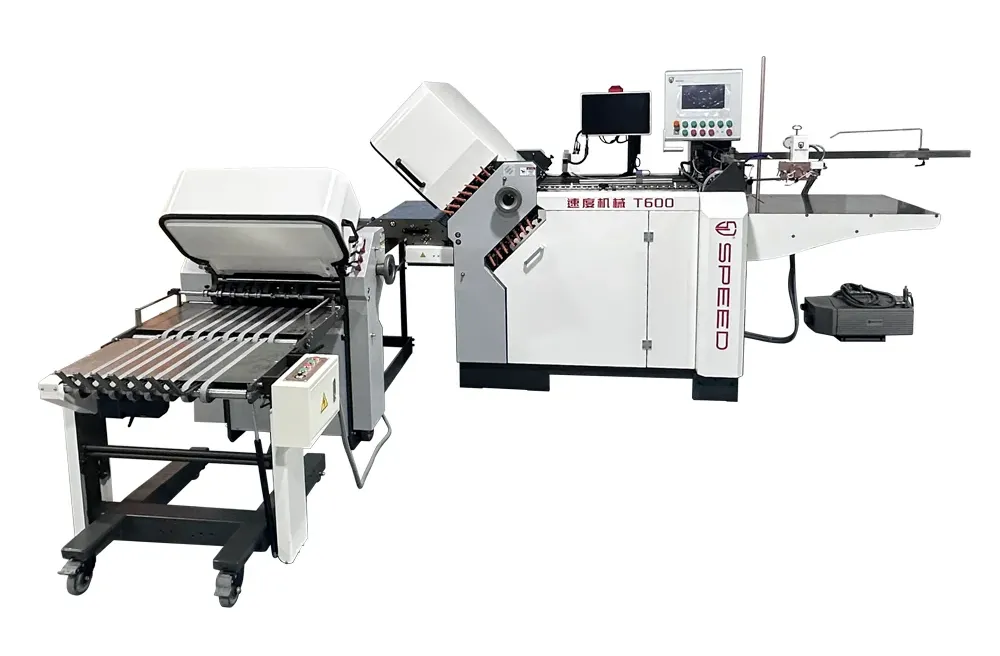
At SPEED Machinery, we manufacture high-speed automatic buckle folding machines built to ISO 9001 quality standards and fully CE certified. Our folding equipment is engineered for micron-level fold registration accuracy, making it ideal for commercial printing houses, packaging plants and pharmaceutical leaflet manufacturers that demand consistent, defect-free results.
Our machines support all standard fold styles — including half fold, tri-fold, accordion fold, double parallel fold, cross fold and gate fold — with stable, accurate performance even at maximum production speed. With robust construction and precision-machined components, our buckle folders deliver long-term accuracy with minimal adjustment and unplanned downtime.
If you are struggling with persistent fold quality issues on your current equipment, or are looking to upgrade to a higher-precision folding solution, our technical team can help you identify the right machine configuration for your production needs.
If you need technical support for your buckle folding process, or would like to learn more about SPEED Machinery’s range of high-precision automatic buckle folding machines, contact our team today for a customized solution for your printing, packaging or pharmaceutical leaflet operation.
Frequently asked
Why does skew only appear on one side of my folded sheets?
One-sided skew almost always points to an asymmetric issue: uneven side guide spacing, uneven fold roller pressure on one side, or a buckle plate that is cocked on one end. Start troubleshooting on the side where the fold is furthest off-center, and compare component positions left-to-right.
Does higher running speed make skew folds worse?
Higher production speeds increase sheet momentum and place more demand on feed timing and alignment precision. A machine that folds squarely at low speed may show skew at top speed if guides are slightly off or rollers are worn. A well-built, properly maintained industrial buckle folder can maintain accurate fold alignment even at its full rated speed.
Can skew folds be fixed after folding?
Once folded, skew cannot be corrected; affected sheets are typically considered production waste. Attempting to re-fold skewed sheets usually causes additional damage and increases risk of machine jams. It is always more efficient to diagnose and fix the root cause at the machine rather than trying to salvage defective parts.
How accurate should a good buckle folding machine be?
A high-quality industrial buckle folding machine should maintain fold alignment within ±0.1mm across a full production run, even on multi-stage folds. Pharmaceutical-grade folding machines are held to even tighter tolerances to meet medical packaging compliance standards.