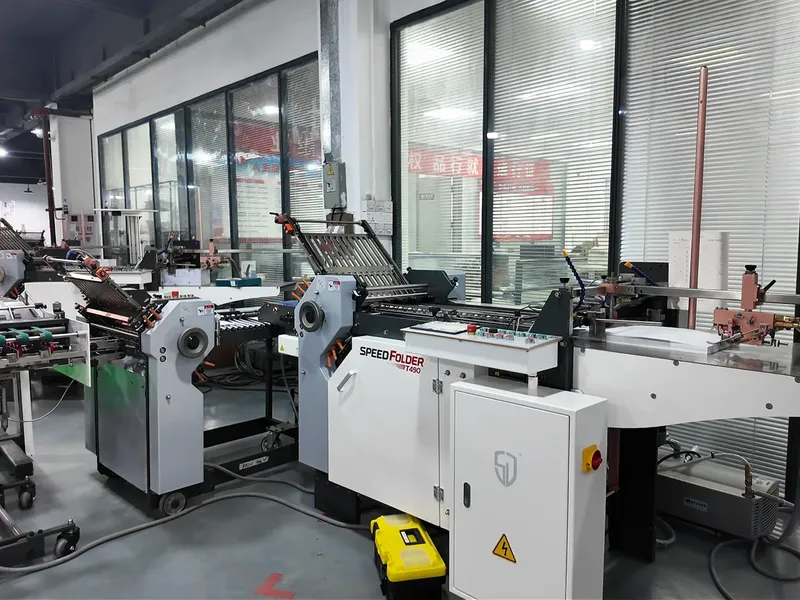
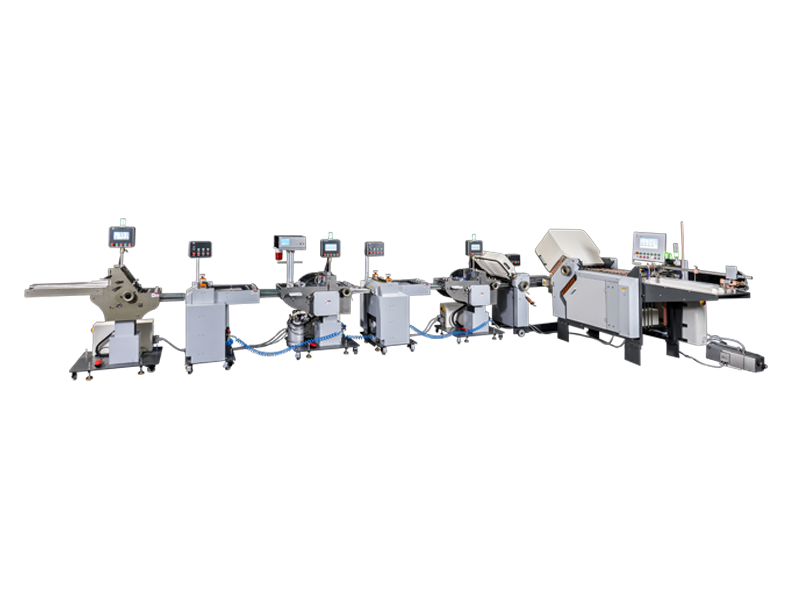
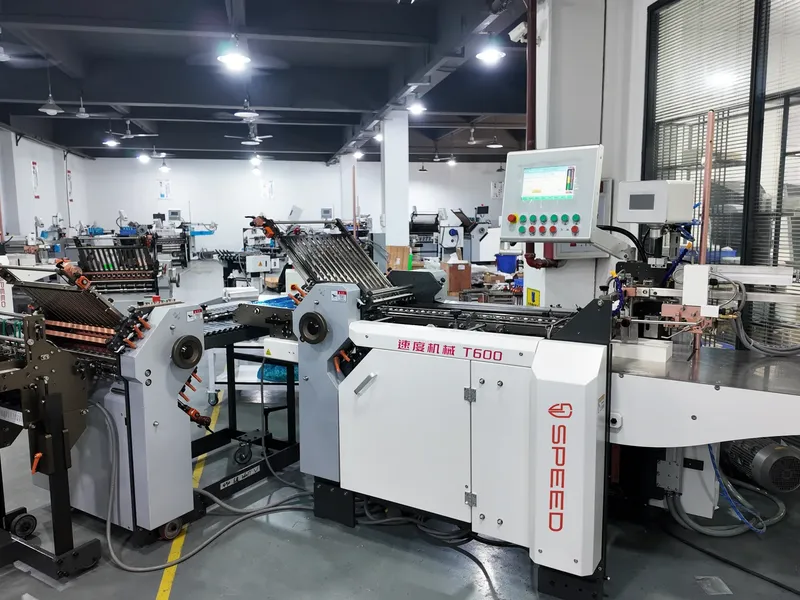
The accordion fold — also widely known as zig-zag fold or concertina fold — is a foundational folding pattern across commercial print, packaging and pharmaceutical production. For high-volume manufacturing, a heavy-duty buckle folding machine delivers unmatched precision, speed and consistency for accordion fold jobs, from simple promotional flyers to ultra-compact medicine leaflets. This complete guide breaks down working principles, standardized setup workflows, common defect troubleshooting, industrial applications and equipment selection tips to help you improve production efficiency and fold quality.
What Is an Accordion Fold (Zig-Zag Fold) on a Buckle Folding Machine?
In the post-press and packaging industry, the accordion fold — also widely known as the zig-zag fold or concertina fold — is one of the most versatile fold patterns for multi-panel documents, leaflets and inserts. When produced on a high-performance buckle folding machine accordion fold workflows deliver unmatched speed, precision and repeatability, making them a standard choice for commercial printers, packaging converters and pharmaceutical leaflet manufacturers worldwide.
This guide breaks down everything you need to know: how accordion folds work on a buckle folder, step-by-step setup procedures, common troubleshooting solutions, real-world industrial applications and how to select the right machine for your production line.
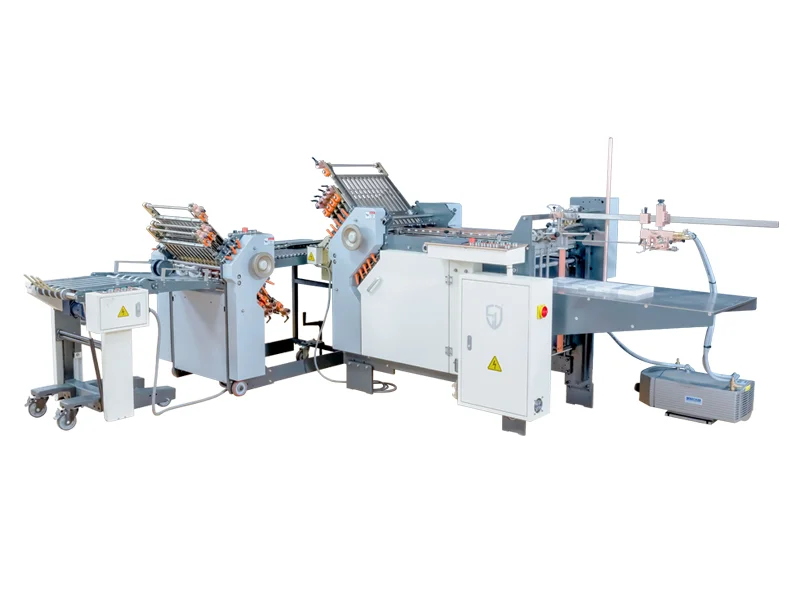
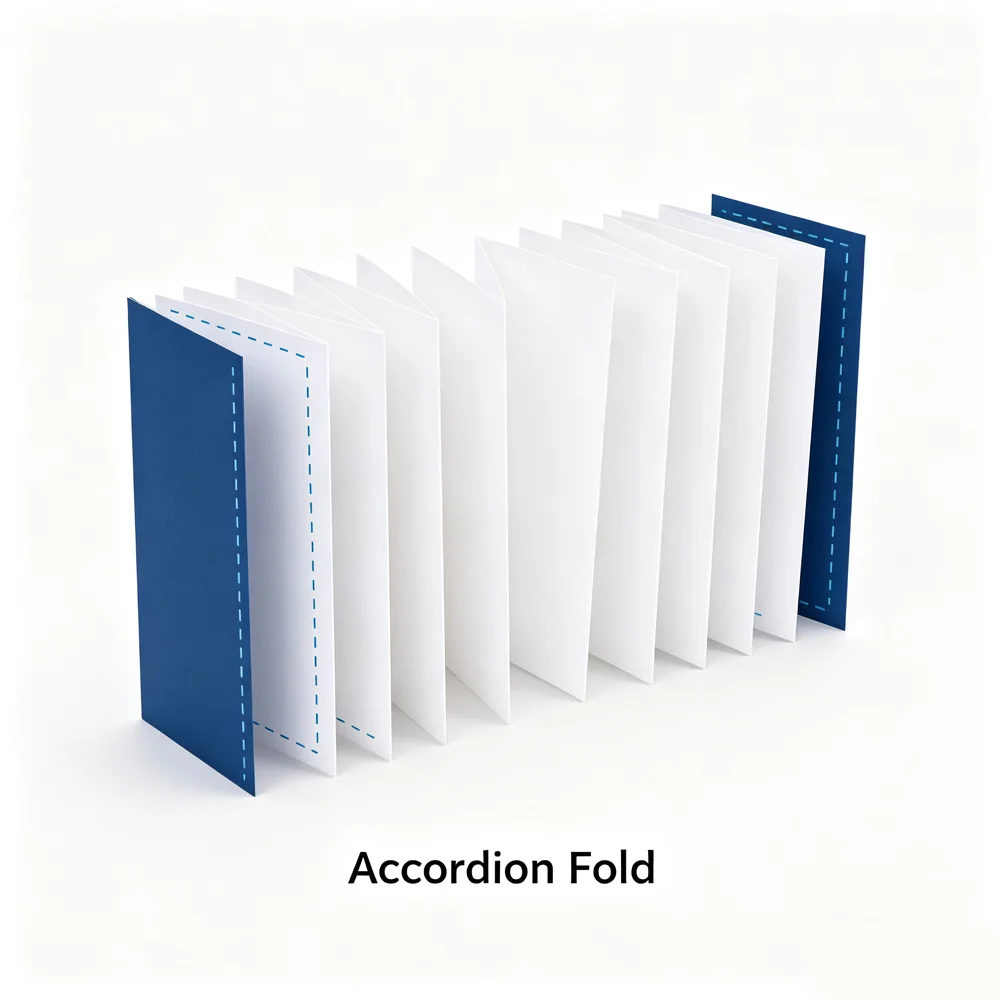
An accordion fold is a multi-panel folding pattern in which each fold alternates direction — forward, backward, forward, backward — forming a continuous zig-zag structure that opens fully flat like the bellows of an accordion. Unlike letter folds or gate folds that nest panels inside one another, the accordion fold creates equal-width panels that all lie flat when opened, making it ideal for content that requires a continuous panoramic layout.
Core Characteristics of Accordion Folds
- Alternating mountain and valley folds along the sheet length
- Uniform panel width across the entire document
- Fully flat opening with no nested or hidden panels
- Scalable from 3 panels up to 8+ panels depending on buckle plate configuration
- Compatible with both cross-grain and long-grain paper when set correctly
Common Panel Configurations for Industrial Production
On an automatic buckle folding machine, accordion fold jobs are typically produced in these standard formats:
- 4-panel accordion (3 folds): common for product flyers and short instruction sheets
- 6-panel accordion (5 folds): standard for brochures and medium-length manuals
- 8-panel accordion (7 folds): widely used for pharmaceutical leaflets and detailed package inserts
- 10+ panel accordion: for long technical manuals and reference documents, configured with additional buckle stations
Why Use a Buckle Folding Machine for Accordion Fold Production?
While manual and semi-automatic folders can handle simple accordion jobs, high-volume industrial production relies on automatic accordion folding machine systems with buckle plate technology for three core reasons.
High Precision & Consistency for Batch Production
Industrial buckle folders deliver fold accuracy down to ±0.1 mm, ensuring every panel is identical across thousands of sheets — a critical requirement for pharmaceutical inserts and branded marketing materials that must meet strict quality and regulatory standardsAlibaba. Unlike knife folders, buckle systems form creases through controlled sheet buckling between rollers, producing sharp, uniform creases even on lightweight 35 gsm leaflet paper.
Fast Setup & Changeover for Multi-Job Workflows
Modern PLC-controlled buckle folders store job parameters in memory, allowing operators to recall accordion fold settings for repeat orders in seconds. For print houses running multiple short-run jobs per shift, this drastically reduces makeready time and improves overall equipment effectiveness (OEE).
Wide Compatibility with Paper Weights & Materials
A quality zig zag fold buckle folder handles paper stocks from thin 28 gsm bible paper for medicine leaflets up to 200 gsm coated cardstock for retail packaging inserts, all without fold cracking or paper jams when properly calibratedAlibaba. This flexibility makes a single machine suitable for diverse customer orders across print, packaging and healthcare sectors.
Step-by-Step Accordion Fold Setup on a Buckle Folding Machine
Proper setup is the foundation of a smooth, defect-free accordion fold run. Follow this standardized workflow for consistent results on any industrial buckle folder.
1. Pre-Job Preparation: Paper & Machine Inspection
- Confirm paper weight, size and grain direction match the job specification; acclimate paper to the production room temperature and humidity to prevent curl and feeding issues.
- Inspect fold rollers, buckle plates and feed separators for paper dust, adhesive residue or wear; clean rollers with approved solvent if needed.
- Verify side guides, suction feeder (if equipped) and delivery stacker are in good working condition.
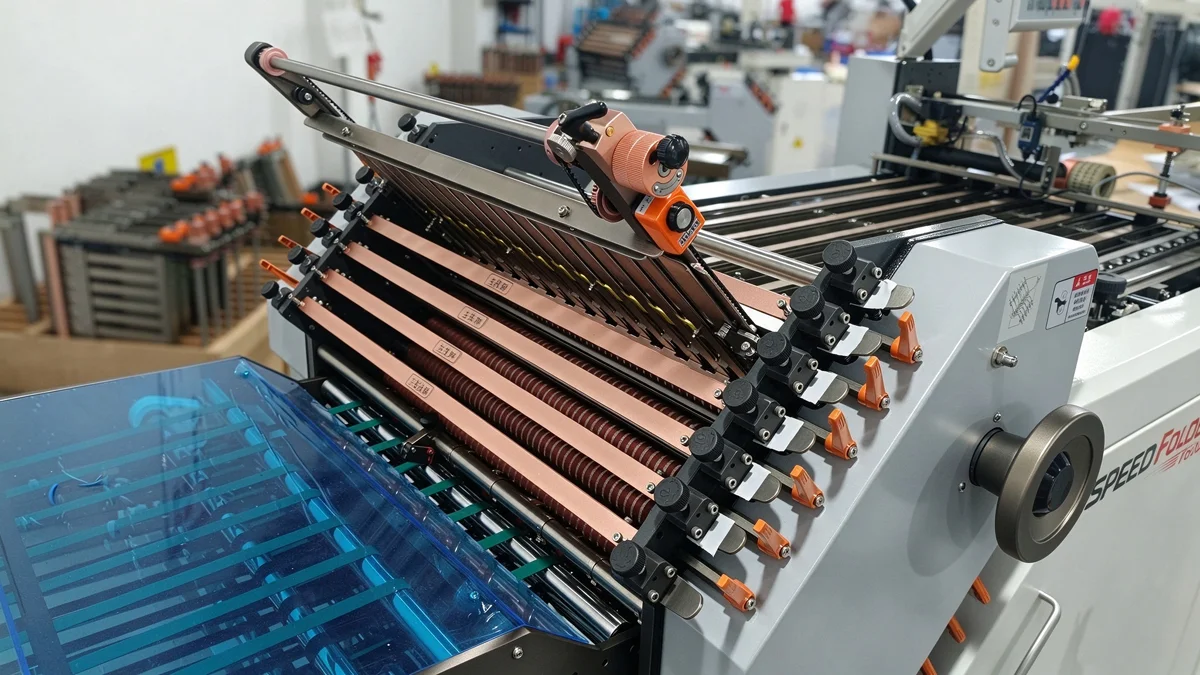
2. Buckle Plate Positioning for Alternating Folds
- For an N-panel accordion fold, you will need (N-1) buckle plates configured in alternating orientation.
- Calculate each buckle stop position based on panel width: measure paper length in feed direction, divide by number of panels, and set each stop to the corresponding distance from the fold nip.
- Work sequentially from first to last buckle station, ensuring each plate is set for the opposite fold direction of the previous station to create the zig-zag pattern.
- For machines with auto-setup, select the accordion fold preset on the HMI, input paper dimensions and panel count, and allow the system to position plates automatically.
3. Fold Roller Pressure & Side Guide Calibration
- Set roller pressure according to paper weight: lighter pressure for thin leaflet paper, higher pressure for heavy cardstock to ensure sharp creases.
- Adjust side guides so the sheet enters the first buckle station perfectly square; even a 0.5 mm offset will compound through multiple folds and result in skewed panels.
- Set the feed gap and separation air pressure (for suction-feed machines) to ensure single-sheet feeding without double-feeds or misfeeds.
4. Test Run & Fine-Tuning for Accuracy
- Run 3–5 sample sheets at reduced speed and inspect the first fold position, panel width uniformity and crease quality.
- If panels are uneven, adjust the corresponding buckle plate stop in small increments; re-test after each adjustment.
- If creases are weak or paper cracks, fine-tune roller pressure and check if scoring tools are needed for heavy coated stocks.
- Once samples pass quality checks, gradually increase speed to production rate and monitor the first 50 sheets for consistency.
Common Accordion Fold Troubleshooting for Buckle Folders
Even with correct setup, occasional production issues can occur. Below are the most frequent accordion fold problems and their root-cause fixes.
Uneven Panel Widths & Misaligned Folds
- Cause: Side guides not square, buckle stop positions miscalibrated, or paper entering the machine at an angle.
- Fix: Re-square the feed side guides using a precision square; re-measure and reset each buckle plate stop position; check that the paper is loaded flat and square in the feed tray.
Paper Jams in Buckle Plate Channels
- Cause: Buckle stop set too close to the nip (sheet buckles too early), paper too damp, or channel walls contaminated with dust.
- Fix: Move the buckle stop slightly away from the nip to give the sheet more travel distance before buckling; ensure paper is properly conditioned; clean buckle plate channels with compressed air.
Weak or Blurred Fold Creases
- Cause: Insufficient roller pressure, dirty rollers losing grip, or paper weight outside machine specification.
- Fix: Increase roller pressure incrementally; clean fold rollers to remove paper dust and residue; verify paper GSM is within the machine's rated range.
Multi-Sheet Feeding Issues
- Cause: Separation roller or rubber pad worn, feed gap too wide, or static build-up on paper.
- Fix: Replace worn separation components; narrow the feed gap; install anti-static bars or use a static eliminator for dry, low-humidity environments.
Key Industrial Applications of Accordion Fold Buckle Folders
The versatility of the accordion fold makes it indispensable across three major B2B sectors. A high-speed industrial paper folding machine accordion fold system serves as a core post-press asset for each of these markets.
Print & Commercial Publishing: Brochures, Flyers & Booklets
Commercial printing houses use accordion folds for promotional brochures, event programs, product catalogs, tourist maps and point-of-sale flyers. The flat-opening format allows for full-spread graphics and continuous content layouts, while the compact folded size fits easily into envelopes, display racks and product bags.
Packaging Industry: Product Inserts & Instruction Manuals
Consumer electronics, home appliances, cosmetics and food brands rely on accordion-folded instruction manuals and warranty documents packaged inside every product box. Buckle folding machines handle high-volume insert production efficiently, delivering consistent fold quality that meets brand packaging standards.
Pharmaceutical Sector: Medicine Leaflets & Package Inserts
Pharmaceutical packaging is one of the most demanding applications for accordion folding. Medicine leaflets often contain 6–10 panels of dense regulatory text and must be folded to extremely tight dimensional tolerances to fit inside small pill boxes. CE-certified buckle folders with high precision are the industry standard for this sector, as they reliably produce wrinkle-free, accurate folds on ultra-thin leaflet paper at production speeds up to 180 m/min.
How to Choose the Right Buckle Folding Machine for Accordion Folds
When investing in a concertina fold folding machine for your business, evaluate these four critical factors to match equipment to your production needs.
Buckle Plate Count: How Many Do You Need?
- 4–6 buckle plates: suitable for basic 4–6 panel accordion folds and standard commercial print jobs.
- 8+ buckle plates: required for 8–12 panel accordions, pharmaceutical leaflets and complex multi-fold patterns such as combined accordion + cross fold jobs.
- For maximum flexibility, choose a machine with modular buckle stations that can be expanded as your product range grows.
Speed & Production Capacity Requirements
- Low-volume / job shop: machines with 180 m/min output are sufficient for short-run orders.
- Mid-to-high volume production: look for speeds of 180–210 m/min with automatic suction feeding and batch stacking to maximize throughput during long runs.
Certifications & Build Quality for Long-Term Use
For industrial 24/7 operation, select machines from manufacturers with CE certification for safety compliance and ISO 9001 quality management system certification, which indicate consistent manufacturing standards and durable machine construction. Stainless steel frame components, hardened fold rollers and branded electrical parts all contribute to longer service life and lower maintenance cost.
Additional Fold Pattern Compatibility
The best investment is a multi-function buckle folder that supports not only accordion folds but also half fold, letter fold (C-fold), double parallel fold, cross fold, gate fold and other common patterns. This allows one machine to serve all your customer fold requirements without additional equipment.
SPEED Machinery: Your Trusted Manufacturer of High-Speed Accordion Fold Buckle Folders
SPEED Machinery is a professional manufacturer specializing in high-speed automatic buckle folding machines for the global print, packaging and pharmaceutical industries. Backed by ISO 9001 certified production and full CE compliance, our folding systems are engineered for reliable 24/7 industrial operation with industry-leading fold accuracy.
Why Printers & Packagers Choose SPEED Folding Machines
- Unmatched fold precision: ±0.1 mm fold accuracy ensures uniform accordion panels and sharp creases, even on ultra-thin 35 gsm pharmaceutical leaflet paper.
- Multi-fold versatility: every machine supports accordion fold, half fold, letter fold, double parallel fold, cross fold, gate fold and more — all configurable on one platform.
- High production efficiency: top running speeds up to 180 m/min with automatic suction feeding and integrated stacking, dramatically reducing labor cost per job.
- User-friendly operation: PLC touchscreen control with job memory function allows quick changeover between accordion fold jobs and repeat order recall.
- Broad material compatibility: handles 35–200 gsm paper stocks, covering everything from lightweight medicine inserts to heavy packaging cards.
- Global support: comprehensive after-sales service, spare parts supply and technical guidance for customers worldwide.
Whether you run a commercial print shop, a packaging converting plant or a pharmaceutical leaflet production line, SPEED Machinery has a buckle folding solution optimized for your accordion fold production needs.
Ready to upgrade your accordion fold production with a high-precision, CE-certified automatic buckle folding machine? Explore the full SPEED Machinery product range or contact our technical team today for a customized solution tailored to your print, packaging or pharmaceutical folding requirements.
Frequently asked
What is the difference between accordion fold and Z-fold?
A Z-fold (also called zig-zag letter fold) is a specific 3-panel, 2-fold accordion pattern. The term "accordion fold" refers to any multi-panel pattern with alternating fold directions, including 4, 6, 8 or more panels. In short: all Z-folds are accordion folds, but not all accordion folds are Z-folds.
How many accordion panels can a buckle folding machine produce?
Standard industrial buckle folders with 8 buckle plates can typically produce up to 8–9 panel accordion folds in a single pass. For higher panel counts, additional buckle stations or a second pass cross-fold unit can be added for more complex leaflet configurations.
Can accordion folds be combined with cross folds?
Yes. Many pharmaceutical and technical manual jobs use a combination of accordion fold in the first direction and cross fold perpendicular to it, creating a compact multi-page folded leaflet. Combination buckle + knife folding machines are purpose-built for these complex cross-fold applications.
What paper weight works best for accordion folds on a buckle folder?
Most industrial buckle folders reliably process 35–200 gsm paper for accordion folds. Thinner paper below 40 gsm requires careful roller pressure adjustment to avoid tearing, while heavier coated stocks may benefit from inline scoring to prevent fold cracking.