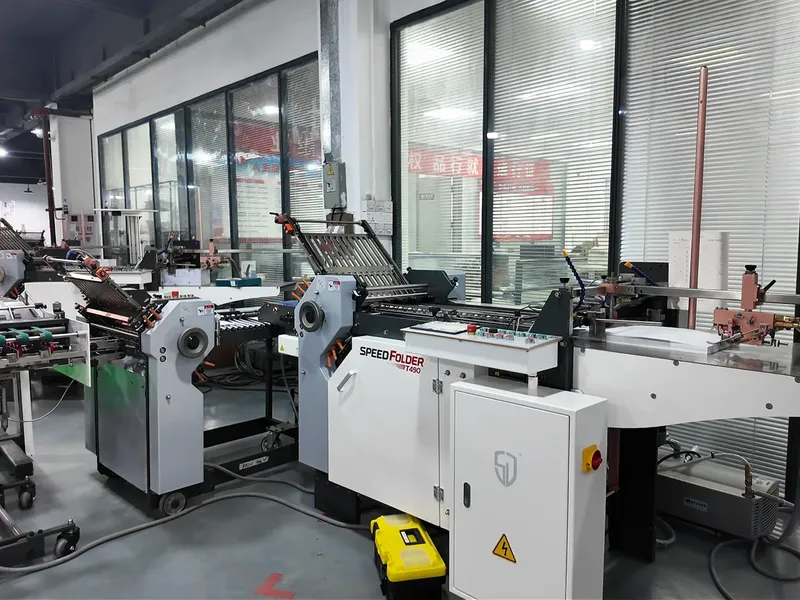
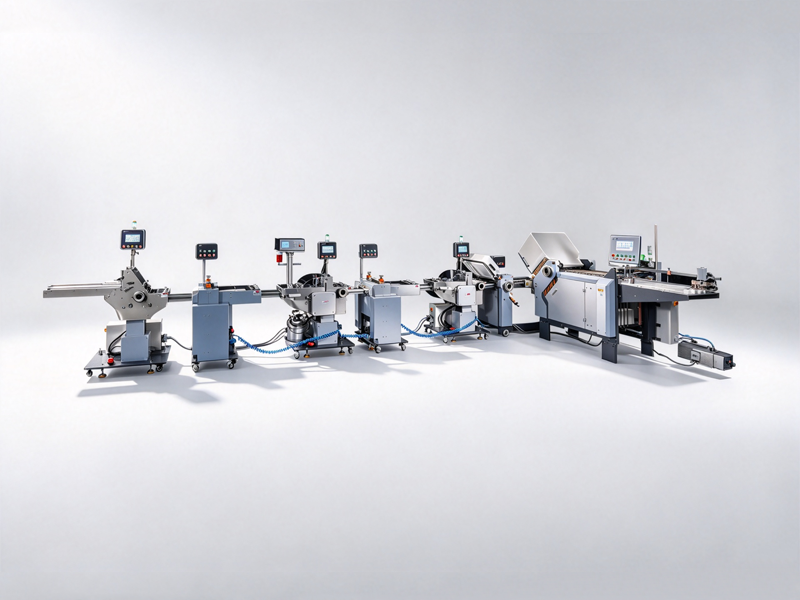
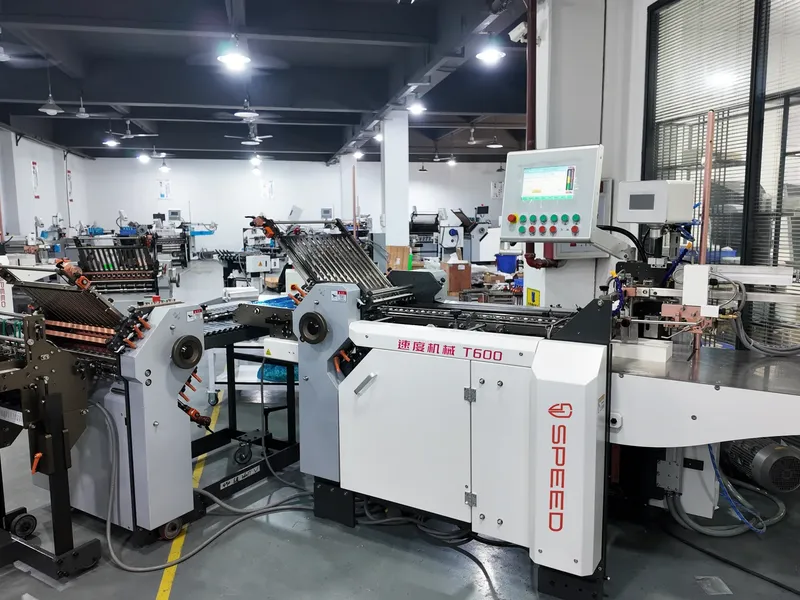
Preventive buckle folding machine maintenance is the most effective way to minimize unplanned downtime, preserve fold precision and maximize the service life of your automatic folding equipment. For commercial printing houses, packaging plants and pharmaceutical leaflet manufacturers, even a single hour of unexpected breakdown can lead to costly production delays, material waste and missed delivery deadlines. Many teams only address equipment issues after a fault occurs, but a structured maintenance routine can reduce breakdown rates by 60% or more while keeping fold quality consistent across all fold styles. In this guide, we share a complete day-to-annual maintenance checklist, break down care tips for critical components, and explain how proper upkeep protects your production investment.
Buckle Folding Machine Maintenance: Complete Step-by-Step Checklist & Guide
Consistent, preventive maintenance is the foundation of reliable performance for any industrial automatic buckle folding machine. For commercial printing houses, packaging plants and pharmaceutical leaflet manufacturers, unplanned downtime from neglected equipment directly cuts into production capacity, increases paper waste, and risks missing tight delivery deadlines. Regular upkeep not only prevents sudden breakdowns, but also preserves fold accuracy, extends machine service life, and ensures consistent output quality across every fold style — from simple half folds and tri-folds to complex accordion folds, double parallel folds, cross folds and gate folds.
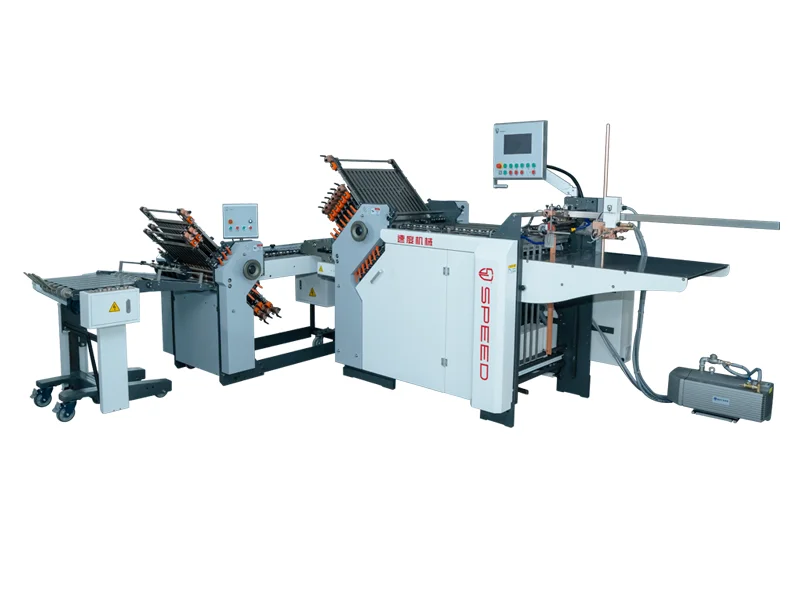
Many production teams only address maintenance after a fault occurs, leading to costly reactive repairs and lost production hours. On high-speed buckle plate folding machines running multi-shift production, a structured preventive maintenance program can reduce unplanned downtime by 60% or more, while keeping fold registration within tight tolerance ranges. In this complete guide, we share a full day-to-annual maintenance checklist, break down service requirements for every critical component, and explain how to avoid the most common maintenance mistakes that shorten equipment life.
Why Proper Buckle Folding Machine Maintenance Matters
Maintenance is not an optional cost — it is a direct investment in production stability and long-term profitability. For industrial folding operations serving print, packaging and pharmaceutical sectors, a formal maintenance program delivers four measurable benefits.
Minimizes Unplanned Production Downtime
Most buckle folding machine breakdowns do not happen suddenly. They develop gradually from dust buildup, worn rollers, loose fasteners and inadequate lubrication. Routine inspections catch these issues early, allowing repairs to be scheduled during planned downtime instead of interrupting active production runs. For high-volume operations, even a single hour of unexpected downtime can cost thousands of dollars in lost output and delayed orders.
Preserves Fold Accuracy & Product Quality
Fold quality depends on precisely aligned components working in sync. As rollers wear, plates shift and guides collect dust, fold registration drifts, leading to skew folds, dog ears, misaligned panels and increased reject rates. Regular adjustment and servicing maintains the tight tolerances required for high-precision applications like pharmaceutical leaflets and branded promotional materials, where even minor fold defects cause full batch rejection.
Extends Equipment Service Life
A well-maintained industrial buckle folding machine can deliver reliable service for 10 years or more. Skipping routine maintenance accelerates wear on bearings, gears, rollers and drive components, forcing early replacement of expensive parts and shortening overall machine lifespan. Preventive upkeep protects your capital investment and maximizes return on equipment.
Reduces Long-Term Operating Costs
While preventive maintenance takes a small, regular time investment, it costs far less than emergency repairs, rush replacement parts and production losses from breakdowns. It also reduces waste from defective folded products, lowering material costs and improving overall operational efficiency. Facilities following ISO 9001 quality management standards typically include formal folding equipment maintenance as part of their controlled production processes.
Your Complete Buckle Folding Machine Maintenance Schedule
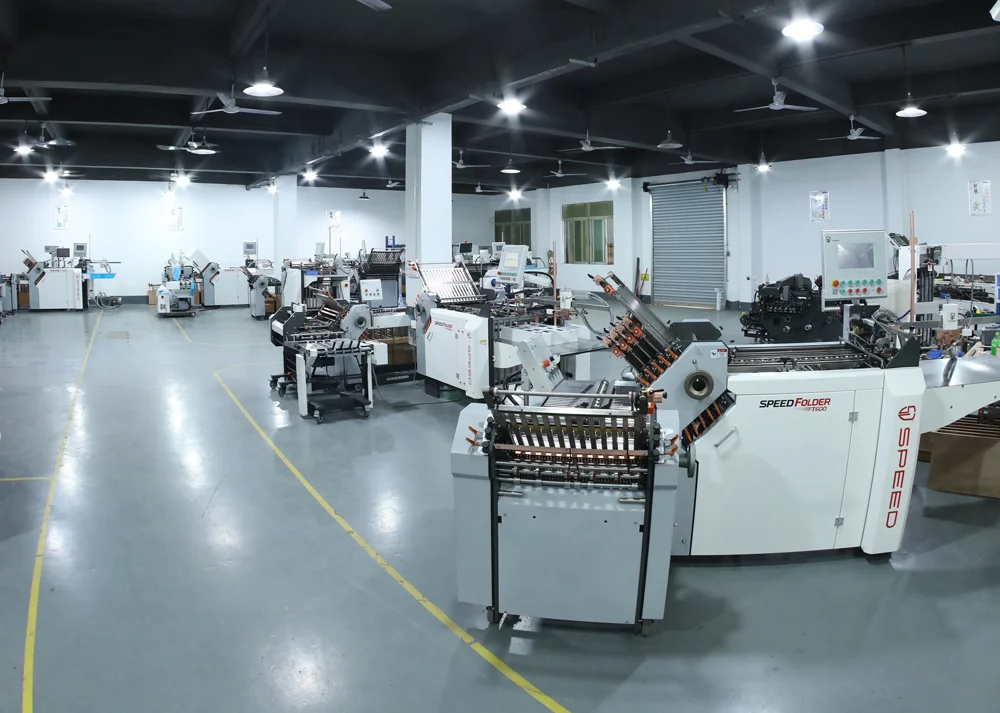
Below is a structured maintenance schedule organized by frequency, covering daily, weekly, monthly and quarterly/annual tasks. This schedule is calibrated for heavy-duty automatic paper folding machines running single or multi-shift production in print, packaging and pharmaceutical environments.
Daily Maintenance Tasks (End of Each Shift)
These quick, essential tasks take 5–10 minutes per shift and prevent the majority of common folding machine faults.
- Clear paper dust and debris: Use a soft brush or low-pressure compressed air to remove loose paper dust, trimmings and debris from the feed table, fold plates, roller assemblies and paper path. Pay special attention to buckle plate channels and deflector gaps, where trapped paper scraps cause jams and fold defects.
- Wipe down feed and fold rollers: Clean visible dust, ink residue and coating buildup from roller surfaces with a clean, lint-free cloth. Buildup on rollers reduces traction, leading to misfeeds, double sheets and skewed folds.
- Inspect for loose parts and damage: Visually check guide plates, deflectors and fold plate stops for loose fasteners, bending or damage. Tighten any visibly loose screws or bolts before they cause alignment drift.
- Verify safety features: Confirm that emergency stop buttons, safety guards and jam detection sensors are functioning correctly before shutting down for the day.
- Clean work area: Remove scrap paper and waste from around the machine to maintain a clean, safe production environment.
Weekly Maintenance Tasks
Deeper weekly cleaning and inspection takes approximately 20–30 minutes and addresses gradual buildup that daily cleaning cannot reach.
- Deep clean all rollers: Use a manufacturer-approved rubber roller cleaner to thoroughly clean feed rollers, fold rollers and separation rollers. Remove glazed paper dust and ink residue to restore proper roller traction and grip. Never use harsh household cleaners, which can dry out and crack rubber roller surfaces.
- Check roller pressure and alignment: Verify that fold roller pressure is uniform across the full roller width. Uneven pressure is a leading cause of skew folds and uneven fold quality. Adjust pressure screws evenly on both sides as needed.
- Inspect drive belts and chains: Check all drive belts for cracking, fraying, glazing or excessive slack. Verify chain tension if applicable. Replace worn belts before they fail mid-run.
- Lubricate specified points: Apply recommended lubricant to designated lubrication points on the feed mechanism, guide rails and sliding components, following your machine manual specifications. Over-lubrication attracts dust, so apply only the recommended quantity.
- Test fold accuracy: Run a test batch of sheets through the machine and measure fold position and squareness. Document baseline accuracy values so you can detect drift early.
Monthly Maintenance Tasks
Monthly maintenance addresses mechanical wear and alignment stability, typically requiring 45–60 minutes of downtime.
- Inspect and reseat buckle plates: Remove each fold plate, inspect plate edges for burrs, damage or wear, and clean the inside of plate channels. Reinstall plates firmly against their end stops to ensure consistent, square folding.
- Check all fasteners: Systematically tighten all bolts, screws and locking levers throughout the machine. Vibration from high-speed operation gradually loosens fasteners, leading to alignment drift and component failure.
- Inspect bearings and rotating components: Listen and feel for rough operation, excessive noise or heat in bearings, shafts and gear assemblies. Early bearing replacement prevents catastrophic failure and collateral damage.
- Verify electrical connections: Inspect wiring connections, sensor eyes and control panel connections for looseness or corrosion. Clean sensor lenses to ensure reliable jam detection and sheet counting.
- Review wear part condition: Assess the condition of consumable parts including feed tires, separation pads, buckle plate stops and deflector blades. Plan replacements before they reach end of life.
Quarterly & Annual Deep Maintenance
Quarterly and annual service addresses long-term wear and should be performed by a trained technician, either in-house or from the equipment manufacturer.
- Full lubrication service: Grease all main bearings, gearboxes and drive assemblies with the correct specification lubricant. Replace old, contaminated grease that has collected dust and debris.
- Comprehensive alignment check: Calibrate feed guide parallelism, fold plate squareness, roller alignment and deflector positions to factory specifications. This restores original fold accuracy after months of production wear.
- Electrical system audit: Test all sensors, motors, controllers and safety circuits for proper function. Inspect wiring insulation for wear and replace damaged sections.
- Wear part replacement: Replace all scheduled wear components including rollers, belts, feed tires and separation pads, even if they have not yet fully failed. This prevents unexpected mid-run breakdowns.
- Performance verification: Run a full production-speed test with standard stock and measure speed, accuracy and defect rate against original factory specifications.
Critical Components to Inspect & Service Regularly
Understanding the service requirements of each key system helps you target maintenance effort where it delivers the most benefit.
Fold Rollers & Feed Rollers
Rollers are the most frequently serviced components on any automatic paper folding machine, and their condition directly impacts feed reliability and fold quality.
- Service frequency: Wipe daily, deep clean weekly, replace on schedule or when traction drops.
- Common issues: Glazed surface from paper dust and coating buildup, uneven wear, cracking or hardening of rubber.
- Best practice: Clean with approved rubber cleaner only; never use alcohol, acetone or petroleum-based solvents that degrade rubber material.
Buckle Plates & Guide Assemblies
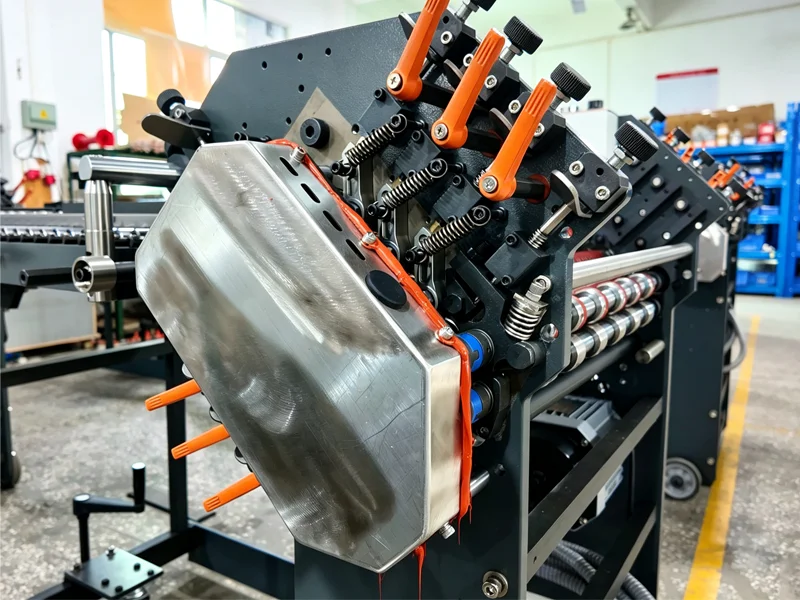
Buckle plates define fold position and accuracy, while guide plates control sheet alignment through the machine.
- Service frequency: Inspect weekly, clean and reseat monthly.
- Common issues: Burrs on plate edges, trapped paper debris, loose adjustment screws and misaligned end stops.
- Best practice: Always push plates fully and evenly into their stops after any adjustment or cleaning. Even slightly cocked plates produce consistent skew folds.
Drive Belts, Gears & Bearings
The drive system delivers the power for high-speed folding operation. Wear here leads to speed variation, timing errors and eventual breakdown.
- Service frequency: Inspect weekly, lubricate monthly, replace per manufacturer schedule.
- Common issues: Stretched or cracked belts, dry bearings, worn gear teeth and improper chain tension.
- Best practice: Keep spare belts and common bearing sizes on hand for quick replacement when wear is detected.
Electrical & Sensor Systems
Modern automatic buckle folders rely on sensors and electronic controls for jam detection, sheet counting and speed regulation.
- Service frequency: Inspect monthly, fully audit annually.
- Common issues: Dust-covered sensor lenses, loose wiring connections, corroded terminals and failed proximity sensors.
- Best practice: Clean sensor lenses with a soft, dry cloth only — solvents can damage lens coatings and impair detection accuracy.
Common Maintenance Mistakes to Avoid
Even well-intentioned maintenance programs can cause problems if performed incorrectly. Watch for these frequent errors on industrial folding equipment.
Using the wrong cleaning products on rubber rollers is the single most common avoidable mistake. Harsh solvents, alcohol and degreasers dry out rubber, causing cracking, hardening and premature roller failure. Always use a cleaner specifically formulated for rubber feed and fold rollers.
Over-lubrication is another frequent error. Applying too much grease or oil attracts paper dust, creating an abrasive paste that accelerates wear instead of reducing it. Follow manufacturer specifications for lubricant type and quantity at each point.
Skipping alignment verification after jam clearing is a common shortcut. Clearing a severe paper jam often requires removing fold plates, deflectors or guards. Failing to verify proper reinstallation and alignment leads to recurring fold quality issues and repeat jams.
Ignoring small issues until they become big problems is the costliest mistake. Minor noise, slight fold drift or intermittent feeding issues almost always worsen over time. Addressing them early takes minutes; waiting for full failure takes hours or days of downtime.
How Quality-Built Folding Machines Reduce Maintenance Workload
Good maintenance practices are essential, but the base design and build quality of your equipment ultimately determines how much upkeep is required to maintain performance.
Premium CE-certified buckle folding machines engineered to ISO quality standards incorporate design features that reduce maintenance requirements and extend service intervals:
- Precision-machined components with tight tolerances hold alignment longer, requiring less frequent adjustment
- Hardened, wear-resistant roller formulations resist glazing and wear, extending service life between replacements
- Sealed, lifetime-lubricated bearings eliminate the need for frequent re-greasing
- Modular, quick-release plate and roller systems make cleaning and part replacement fast and tool-free
- Robust frame construction minimizes vibration that loosens fasteners and drifts alignment
At SPEED Machinery, our high-speed automatic buckle folding machines are engineered for low-maintenance, long-life industrial operation. Manufactured under ISO 9001 quality management systems and fully CE certified, our T-series folding machines are built with hardened rollers, precision-machined buckle plates and heavy-duty drive systems designed for multi-shift production in commercial printing, packaging and pharmaceutical leaflet facilities.
Our equipment supports all standard fold styles — half fold, tri-fold, accordion fold, double parallel fold, cross fold and gate fold — while maintaining consistent accuracy with minimal routine adjustment. Every machine comes with a clear maintenance schedule, readily available spare parts, and global technical support to keep your production line running reliably.
If your current folding equipment requires constant adjustment and suffers from frequent unplanned downtime, our team can help you evaluate whether an upgraded, precision-built machine would deliver measurable savings in maintenance labor and production uptime.
If you need guidance on maintenance for your specific buckle folding machine model, or are interested in upgrading to a lower-maintenance, high-performance folding solution for your printing, packaging or pharmaceutical operation, contact SPEED Machinery today. Our technical team can provide maintenance recommendations, spare parts support and equipment evaluation tailored to your production requirements.
Frequently asked
How often should I clean the fold rollers on my buckle folding machine?
For standard single-shift production running uncoated paper, wipe rollers daily and deep clean weekly. For two- or three-shift operation, or when running coated, glossy or ink-heavy stock, increase deep cleaning to 2–3 times per week. Visible glaze or slipping feed are clear signs rollers need immediate cleaning.
Can I perform most buckle folding machine maintenance in-house?
Yes. Daily, weekly and most monthly maintenance tasks can be performed by properly trained in-house operators and maintenance technicians. Quarterly and annual deep service, alignment calibration and electrical audits are best handled by factory-trained technicians to ensure proper calibration and safety.
How long do fold rollers typically last on an industrial folding machine?
Roller service life depends on running hours, paper type and maintenance quality. Under normal single-shift production with proper cleaning, quality industrial fold rollers typically last 1–2 years. In multi-shift high-volume operations running coated stock, roller replacement may be needed every 6–12 months.
Does high-speed operation increase maintenance requirements?
Higher running speeds place more stress on drive components, rollers and alignment systems, so maintenance intervals should be shortened slightly for machines consistently running at top speed. However, a well-built, properly maintained industrial high-speed paper folding machine can run near full speed with the same reliable service life as a slower machine.
What is the biggest maintenance mistake made with pharmaceutical leaflet folders?
The most costly mistake on precision pharmaceutical folding equipment is skipping scheduled alignment checks. Pharmaceutical leaflets require micron-level fold accuracy, and even minor alignment drift that would be acceptable on commercial print work causes batch rejection and compliance issues. Strict adherence to a documented maintenance schedule is essential for pharma-grade folding equipment.